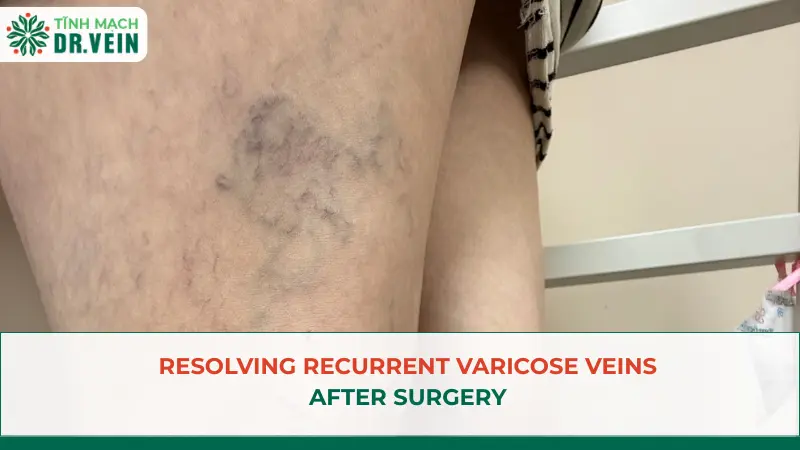
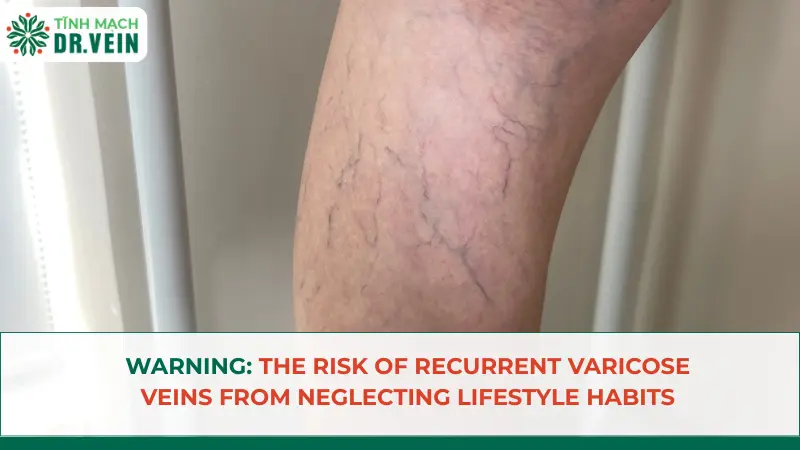
In the field of varicose vein treatment, time is often the greatest challenge for overseas patients returning to their hometown. The story of Ms. L.T.T. (born in 1973) at Dr. Vein serves as a practical example of coordinating a specialized intervention roadmap to meet the varicose vein treatment schedule before departure.
Clinical Presentation: Pressure from Prolonged Standing
Ms. T. sought medical attention with multiple varicose vein clusters appearing on both her thighs and lower legs. Due to her profession in sales, which requires constant standing, she frequently experienced fatigue and aching in her knees.
This varicose vein condition had persisted for approximately 2–3 years and showed an expanding trend. Occasionally, she also experienced leg cramps—a sign that venous blood circulation was being obstructed. Despite previously using compression stockings, the dilated vein clusters showed no signs of improvement.

Professional Assessment via Doppler Ultrasound
Specialist Doctor II Le Kim Cao (MSc) directly performed a Doppler ultrasound to evaluate Ms. T.’s vascular system. The results recorded specific parameters:
Ultrasound: Venous reflux in the great saphenous veins of both legs, with a reflux time exceeding 4 seconds. Instead of circulating toward the heart, the blood flowed backward and spread into secondary venous branches, exerting pressure on the vessel walls and forming varicose vein clusters.
Diagnosis: Lower limb venous insufficiency, Grade C2.
Specialized Intervention Protocol
Since her stay in Vietnam was limited, a varicose vein treatment plan was designed to focus on addressing the primary reflux sources and major dilated branches. The roadmap was divided into stages to allow the body time to adapt.
The entire intervention was performed under procedural sedation, allowing Ms. T. to rest in a light sleep throughout the procedure, minimizing stress and discomfort.

The applied varicose vein intervention techniques included:
- Endovenous Laser Ablation (EVLA): Utilizing laser thermal energy to seal the diseased great saphenous vein segments in both legs. This technique eliminates venous reflux and reduces the pressure load on the superficial venous system.
- Ultrasound-Guided Foam Sclerotherapy (UGFS): The doctor injected sclerosing agents into the large venous branches and dilated superficial vein areas to fibrose and eliminate them.
The roadmap was divided into two intervention phases, approximately one week apart, to ensure the body’s recovery and to prepare her for the long flight ahead.
Guidance for Recovery and Maintaining Vascular Health
The doctor noted that after the intervention, the ablated veins would react by hardening or showing mild bruising—a natural process as the body eliminates the diseased veins. Furthermore, she was instructed on home care measures to manage her varicose vein condition in the long term:
- Maintain a routine of walking, physical therapy, and gentle ankle warm-up exercises to support the muscle pump in pushing blood toward the heart.
- Wear Grade 1 medical compression stockings during periods of prolonged standing or sitting.
- Limit squatting and crossing legs; increase intake of green vegetables and fruits; and maintain a stable weight.
The case of Ms. L.T.T. demonstrates that combining modern technology with an appropriate roadmap allows patients from abroad to access effective varicose vein treatment solutions.
Contact Information
- Address: No. 2, My Toan 2 Residential Area, Tan Phong, District 7, Ho Chi Minh City
- Hotline: 0932.19.28.82
- Website: drvein.vn/en
- Business Hours: Monday – Saturday, 8:00 AM – 5:00 PM