
Venous leg ulcers are a common health issue and frequently occur in individuals with chronic venous insufficiency. These wounds or ulcers result from sustained pressure due to impaired blood flow in the lower limbs—typically affecting the legs, ankles, and feet.
Overview of Venous Leg Ulcers
A venous leg ulcer is a chronic wound that takes more than two weeks to heal, usually appearing on the inner part of the lower leg, between the knee and the ankle. Common symptoms include pain, itching, and swelling in the affected area. The skin around the ulcer may become discolored and hardened, and the wound may produce discharge or have an unpleasant odor.
In addition to venous leg ulcers, several other types of leg ulcers are also common:
- Arterial ulcers: Caused by poor blood flow in the arteries.
- Diabetic foot ulcers: Associated with elevated blood glucose levels related to diabetes.
- Vasculitic ulcers: Related to chronic inflammatory disorders such as rheumatoid arthritis.
- Traumatic ulcers: Result from physical injury to the leg.
- Malignant ulcers: Caused by skin cancer.
If you suspect you may have a leg ulcer, consult a specialist for proper evaluation and treatment. The specialist will examine your leg and may request additional tests to rule out other conditions that could cause similar symptoms.
Causes of Venous Leg Ulcers
Venous leg ulcers may develop after minor trauma, especially when venous circulation in the legs is impaired. This often results from increased pressure inside the veins. Prolonged high pressure can damage small capillaries in the skin, making it fragile and more susceptible to injury.
Once the skin becomes weakened, even slight trauma or abrasion may lead to ulceration. Without timely treatment to improve blood flow, the wound may fail to heal and become more severe.
Who Is at Risk of Venous Leg Ulcers?
Venous leg ulcers affect approximately 1 in 500 people in the UK, but the risk increases significantly with age. Around 1 in 50 individuals over the age of 80 may experience this condition.
You may be at higher risk if you have any of the following:
- History of deep vein thrombosis (DVT)
- Osteoarthritis or joint inflammation
- Leg injury or trauma
- Obesity
- Paralysis or immobility
- Recent leg or hip surgery (e.g., joint replacement)
- Leg swelling or varicose veins (chronic venous insufficiency)
Symptoms of Venous Leg Ulcers
Venous leg ulcers are open wounds that typically take longer than 2 weeks to heal and often cause pain and discomfort in the skin. They usually appear on the lower leg, between the knee and the ankle. Common symptoms include:
- Swelling around the ankle (edema): The area may look swollen or puffy.
- Skin discoloration: The skin around the ulcer may become darker or look bruised.
- Hardening of the skin: The skin may feel firm or tight.
- Pain or swelling in the leg: You may feel soreness, aching, or notice visible swelling.
- Skin flaking, scaling, and itching (venous eczema): The skin becomes flaky, scaly, and itchy.
- Visible veins (varicose veins): Enlarged, raised veins may appear on the legs.
Venous leg ulcers can easily become infected by bacteria. If not properly cared for, the infection may worsen the ulcer. Signs of an infected ulcer include:
- Increasing pain in the affected area.
- Greenish discharge from the ulcer or an unpleasant odor.
- Redness and swelling around the ulcer (redness may be harder to detect on darker skin tones).
- Possible high fever.
- The ulcer emits a foul smell.
Diagnosis of Venous Leg Ulcers
To accurately diagnose venous leg ulcers, doctors primarily rely on symptoms and clinical examination. However, your doctor may request additional tests to confirm the diagnosis.
Clinical Examination
Your doctor or nurse will ask you about symptoms related to venous leg ulcers, such as:
-
- Swelling around the ankle: To check whether your ankle is swollen.
- Skin discoloration or hardening: To observe the skin around the ulcer.
Your doctor may also ask about possible causes and any underlying conditions or previous injuries, such as:
- Diabetes: Affects blood flow and increases the risk of ulceration.
- Deep vein thrombosis (DVT): Blood clots in the legs that may damage veins and lead to ulcers.
- Previous leg surgery or trauma: Such as hip or knee replacement.
- Previous leg ulcers: Whether you’ve had venous ulcers before.
At Dr.Vein Clinic, doctors also assess your leg while you’re standing and lying down, and may check ankle pulses to ensure proper circulation.
Doppler Test
To rule out peripheral arterial disease, your doctor or nurse may perform a Doppler test. This test measures blood pressure in the arteries near your ankle and compares it to the pressure in your arm. If you have peripheral arterial disease, the blood pressure in your ankle will be lower than in your arm.
This test is very important because the main treatment for venous leg ulcers involves compression therapy (such as bandaging or compression stockings) to improve venous return. Compression is not safe if arterial pressure in the lower leg is reduced.
In some cases, your doctor or nurse may refer you to a specialist—for example, a vascular specialist. You may be referred if the doctor is unsure about the diagnosis or suspects the ulcer is related to arterial disease.
If your doctor suspects the ulcer is related to diabetes or an inflammatory joint condition, you may be referred to a diabetes clinic or rheumatology specialist. After further evaluation and examination, the specialist may arrange additional tests or propose a treatment plan tailored to your condition.
Treatment of Venous Leg Ulcers
With appropriate treatment, venous leg ulcers typically heal within 6 months. However, the treatment process must be carried out by specialists experienced in compression therapy for leg ulcers. The treatment process usually includes:
Wound cleaning and dressing
The first step is to remove any debris or necrotic tissue from the ulcer, clean the area, and dry it thoroughly before applying an appropriate dressing. This helps create optimal conditions for the wound to heal. Your doctor will apply medical dressings to your ulcer, which may need to be changed 1 to 3 times per week.
Using Compression Bandages
To improve venous circulation in the legs and reduce swelling, your doctor will wrap a compression bandage firmly around the affected leg. These bandages are designed to compress the leg and help blood flow back toward the heart. Various types of compression bandages or stockings may be used to treat venous leg ulcers, typically applied in 2, 3, or 4 layers.
Applying compression bandages requires proper skill and should only be done by a doctor or trained medical staff. Bandages are usually changed 1 to 3 times per week. During the initial application of compression therapy for venous ulcers, you may experience some discomfort. In such cases, paracetamol may help relieve pain until the ulcer begins to heal.
It is essential to wear compression bandages exactly as directed by your doctor. If you notice any problems, contact your doctor or nurse rather than trying to adjust or remove the bandage yourself. If the bandage feels slightly too tight or uncomfortable at night, walking a short distance may help relieve the discomfort. However, the entire bandage should be removed or cut off if you experience:
- Numbness or tingling in your foot or toes
- Unusual pain in the foot or toes
- Swelling or discoloration in the toes (e.g., pale or bluish appearance)
After removing the bandage, keep your leg elevated and contact your doctor or nurse as soon as possible.
Managing Symptoms Related to Venous Leg Ulcers
Swelling in the feet and ankles
Venous leg ulcers are often accompanied by swelling in the feet and ankles (edema) caused by fluid buildup. Compression bandaging is an effective method for controlling this condition.
To reduce swelling, elevate your legs whenever possible, with your toes positioned higher than your hips. You can place a pillow under your legs while sleeping to help maintain elevation. Staying active, such as walking daily, also helps reduce swelling. However, avoid sitting or standing still with your feet down for extended periods. Try to elevate your legs for 30 minutes, 3–4 times a day.
Itchy skin
Some people with venous leg ulcers may experience flaking and itching of the skin, usually due to venous eczema. This can often be treated with emollient creams (moisturizers) or, in some cases, mild topical corticosteroids. In more persistent cases, you may need to see a dermatologist.
Itching may also be caused by an allergic reaction to a dressing or topical cream. If an allergic reaction occurs, stop using the product and seek advice immediately. Avoid scratching, as this may lead to skin damage and increase the risk of developing new ulcers.
Treating Infected Ulcers
An ulcer may become infected if it produces a large amount of discharge and becomes increasingly painful. The area around the ulcer may appear red (although redness can be harder to detect on darker skin). These are signs of infection. If this happens, seek medical attention as soon as possible.
If the ulcer is infected, it should be cleaned and dressed as usual. You should also elevate your leg as much as possible during the healing process. In some cases, your doctor may prescribe a 7-day course of antibiotics to eliminate the infection. However, antibiotics do not heal ulcers and should only be used short-term to treat the infection.
Self-Care During Treatment
During the treatment process, try to take care of your overall health to support faster healing of the ulcer:
- Stay active by walking regularly. Sitting or standing still without elevating your legs can worsen swelling.
- When sitting or lying down, keep your legs elevated.
- Do gentle foot exercises by moving your feet up and down and rotating your ankles to encourage better blood flow.
- If you are overweight, adopt a healthy diet and maintain regular physical activity.
- Avoid smoking and limit alcohol consumption, as this can help the ulcer heal faster.
- Protect your legs from further injury and wear comfortable, well-fitting shoes.
Preventing Venous Leg Ulcers
You can reduce your risk of developing venous leg ulcers through several strategies such as wearing compression stockings, losing weight, and more. Those at highest risk are people who have had leg ulcers in the past.
- Weight loss
If you are overweight or obese, losing weight not only supports treatment but also helps prevent venous leg ulcers. Excess weight increases pressure on the veins in your legs and may cause damage. - Compression therapy
If you’re at high risk for venous leg ulcers or have experienced them before, your doctor may recommend compression stockings. These are specially designed to apply pressure to the lower leg and improve circulation, particularly around the ankles.
To be effective, they must be worn during the day and taken off at night. Compression stockings come in many sizes, colors, and pressure levels. Your doctor or nurse can help you choose the right type.
- Treating underlying venous conditions
To reduce swelling or prevent ulcers, treating significant venous insufficiency may be necessary. This may include procedures such as vein ablation, radiofrequency therapy, or laser treatment to close off affected veins.
In some cases, surgery may be required to remove damaged veins entirely. Discuss with your doctor to determine which option is most suitable for your condition.
Venous leg ulcers are a serious health issue that can significantly affect daily life. However, with proper prevention and treatment such as compression therapy, weight loss, and appropriate medical care, you can reduce your risk and maintain better overall health.
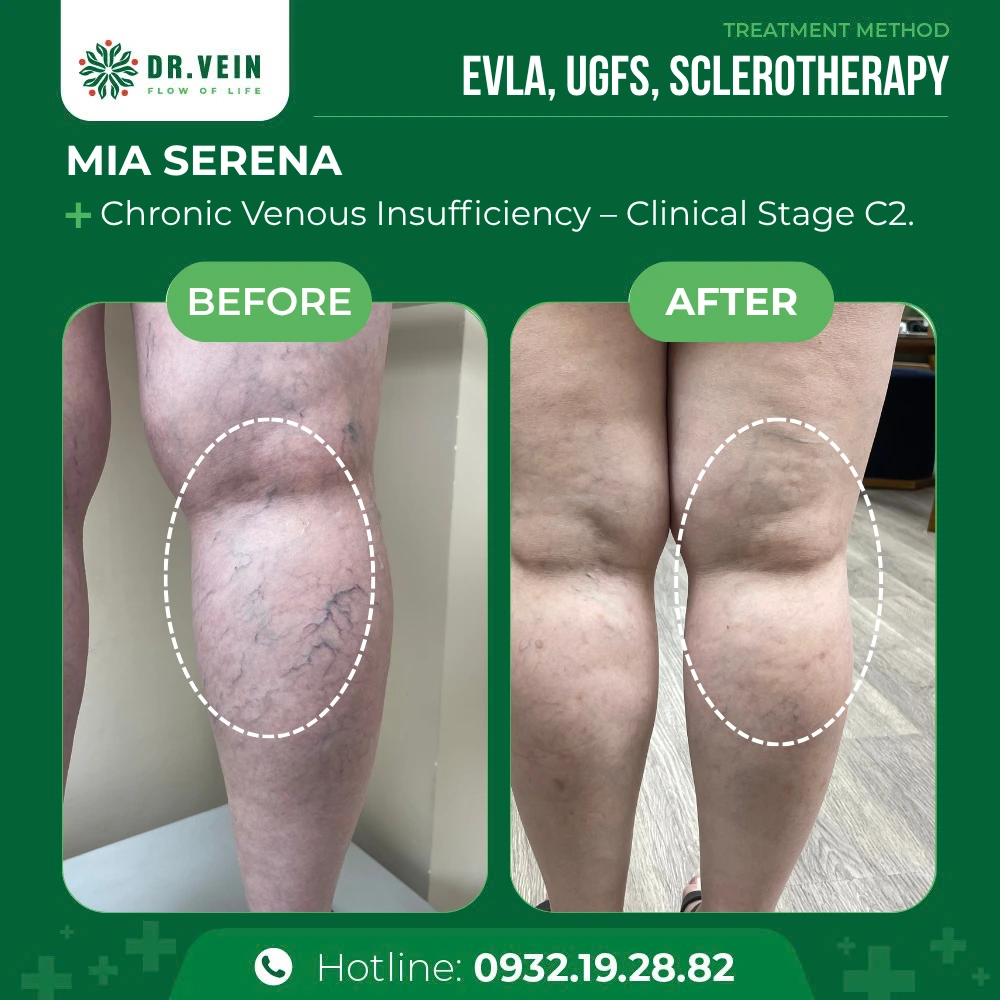
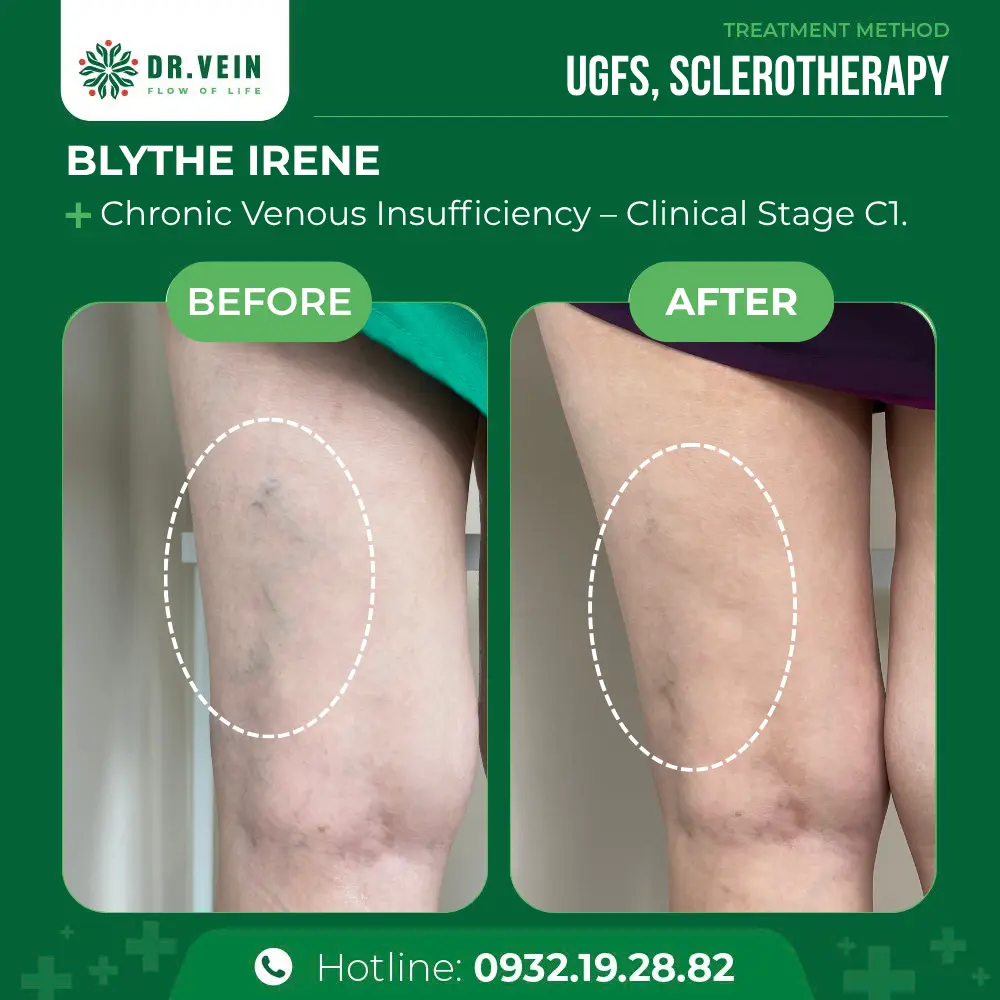
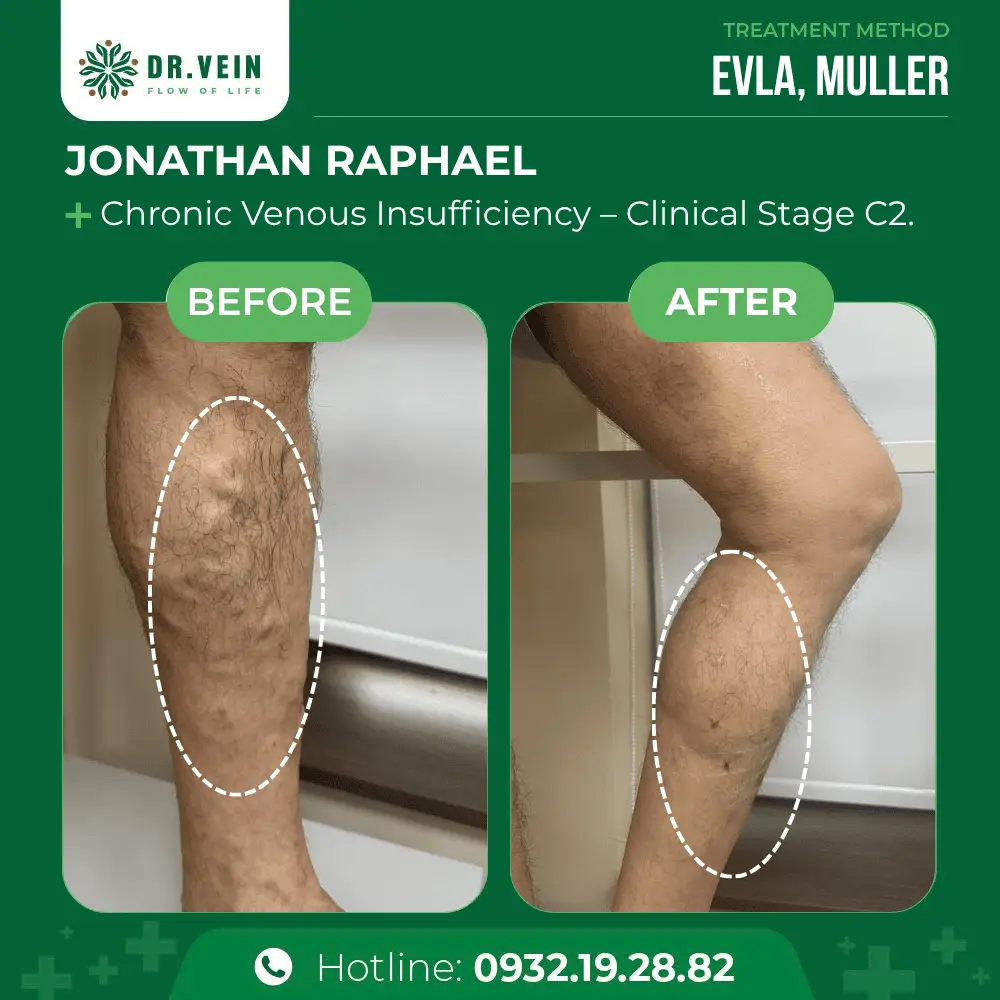
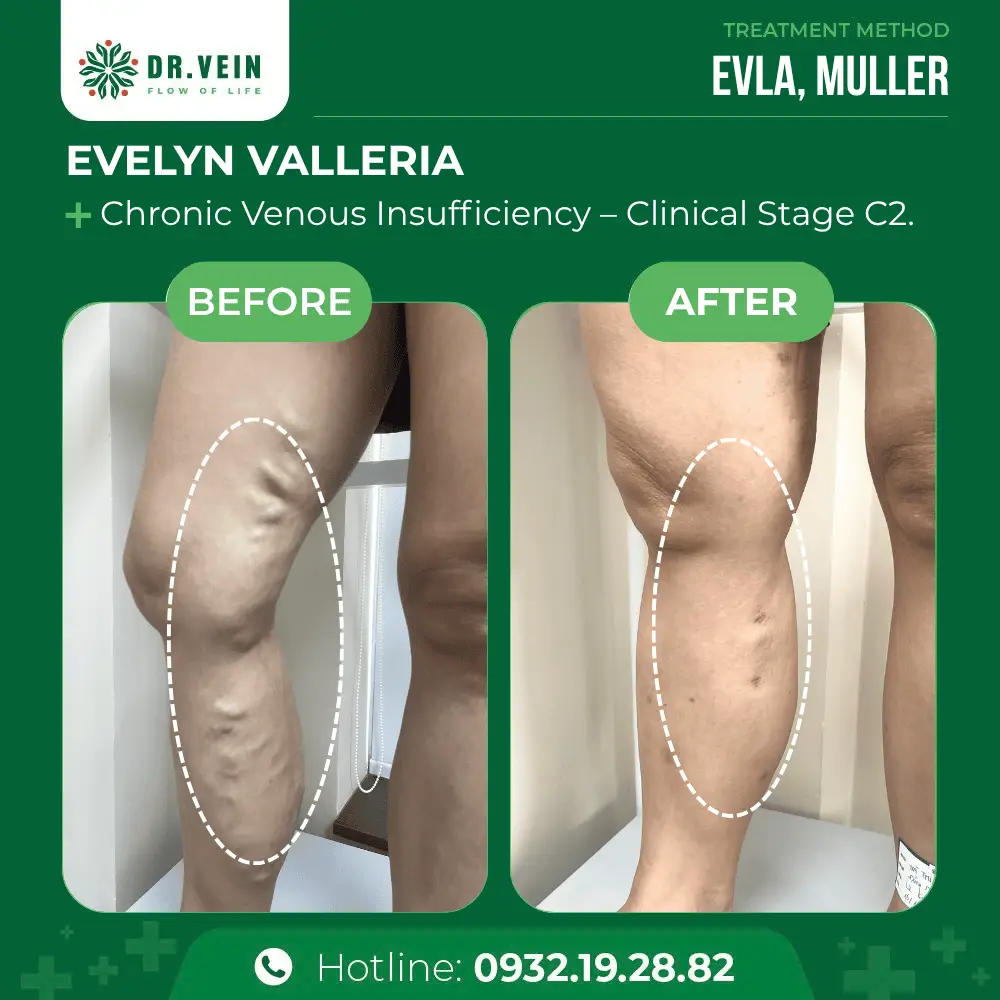
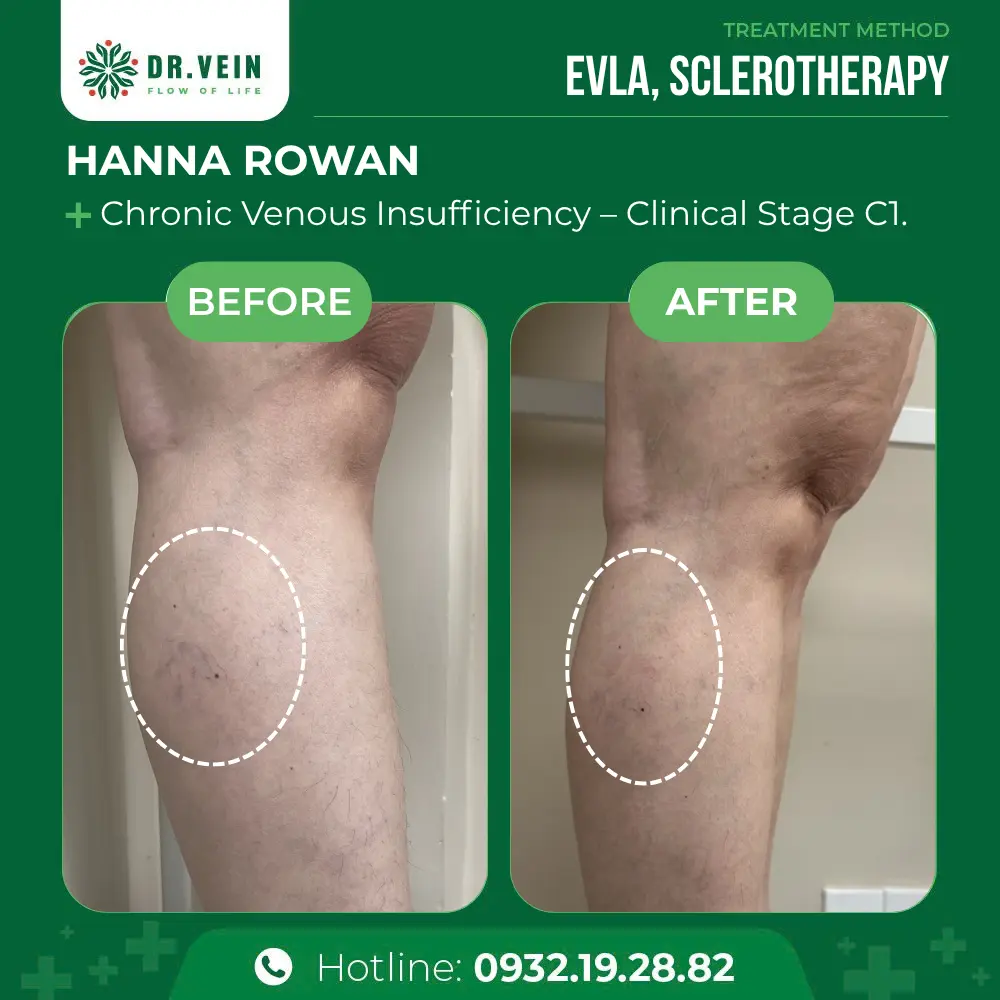
Varicose vein treatment results

Online consultation
Free Online Consultation
with a Vascular Specialist
Thêm một đoạn văn bản ở đây. Nhấp vào ô văn bản để tùy chỉnh nội dung, phong cách phông chữ và màu sắc của đoạn văn của bạn.
Thêm một đoạn văn bản ở đây. Nhấp vào ô văn bản để tùy chỉnh nội dung, phong cách phông chữ và màu sắc của đoạn văn của bạn.