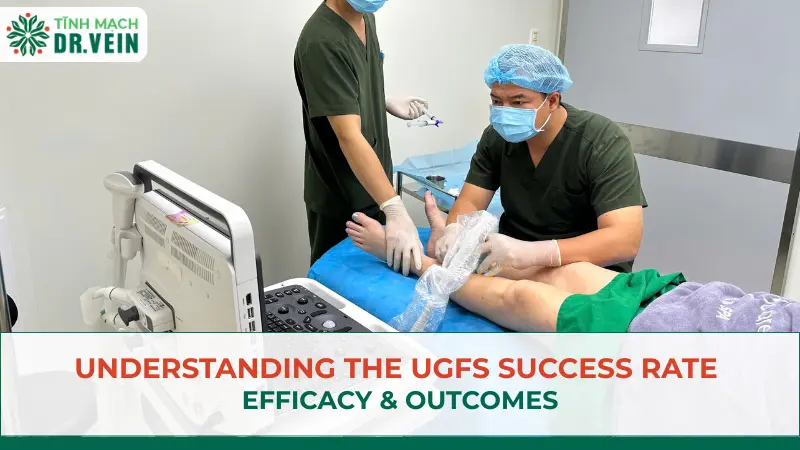
ThS.BS CKII Lê Kim Cao
Chứng chỉ hành nghề số 002974/PY-CCHN. Bác sĩ chuyên sâu về Phẫu thuật Mạch máu, có hơn 10 năm đào tạo và thực hành lâm sàng tại Bệnh viện Chợ Rẫy. Từ 2015 đến 2018 là bác sĩ nội trú tại Khoa Ngoại Lồng ngực, Phẫu thuật Tim và Phẫu thuật Mạch máu – Bệnh viện Chợ Rẫy. Năm 2019 tham gia khóa đào tạo Can thiệp động mạch ngoại biên tại Singapore và bắt đầu công tác tại Khoa Phẫu thuật Mạch máu – Bệnh viện Chợ Rẫy. Năm 2023 được cấp bằng Chuyên khoa II. Riêng trong điều trị bệnh lý tĩnh mạch, bác sĩ đã thực hiện hơn 1.800 ca UGFS, hơn 2.000 ca tiêm xơ tĩnh mạch, hơn 1.000 ca EVLA và hơn 500 ca bóc búi, thắt nhánh tĩnh mạch.
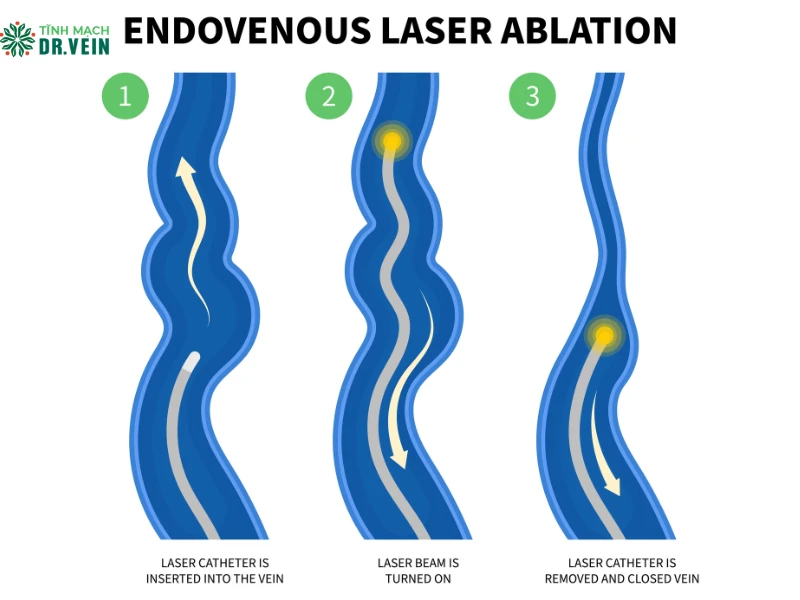
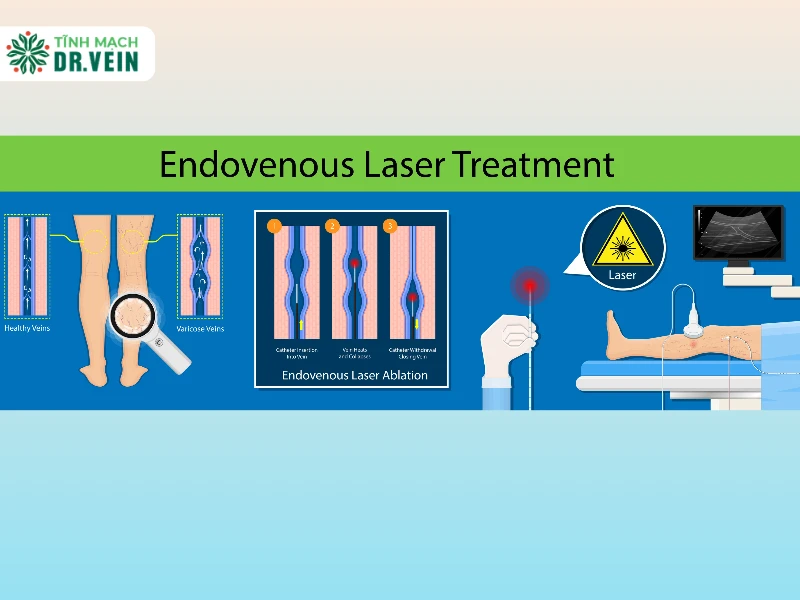
Endovenous Laser Ablation (EVLA) is a minimally invasive treatment for varicose veins caused by faulty valves in the main superficial veins of the legs. The procedure uses a thin laser fibre, guided by ultrasound, to apply heat inside the affected vein and close it. Blood is then redirected through other healthy veins, reducing the backward flow that contributes to varicose veins and related symptoms.
At Dr. Vein, every treatment plan begins with a clinical assessment and Doppler ultrasound. MSD. MD Le Kim Cao, a vascular surgeon with extensive experience in venous procedures, evaluates the affected veins before advising on the most appropriate treatment.
What Does Endovenous Laser Ablation Treat?
How Do Faulty Vein Valves Cause Varicose Veins?
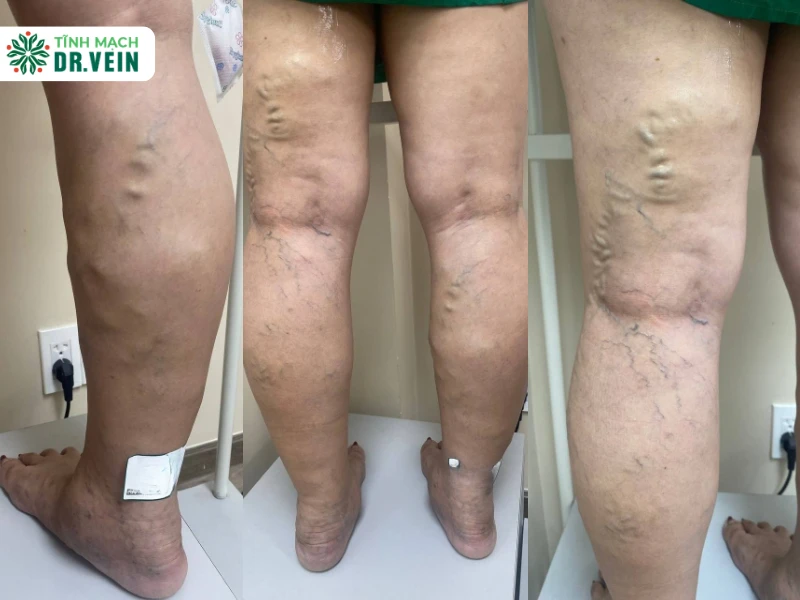
Veins in the legs carry blood back towards the heart. Small one way valves inside these veins help prevent blood from flowing backwards, particularly when a person is standing. When the valves become weakened or fail to close properly, blood can flow downwards and collect in the legs. This increases pressure inside the veins, causing their walls to stretch and become enlarged.
Over time, superficial veins may become twisted and visible beneath the skin. Some people also experience symptoms such as:
- Heaviness or aching in the legs, especially after standing for long periods.
- Swelling around the ankles or lower legs.
- Itching or discomfort around affected veins.
- Skin changes around the ankles, including darkening or thickening.
- Prominent, twisted veins beneath the skin.
Why Does EVLA Target the Main Superficial Veins?
The visible veins on the calf are not always where the underlying problem begins. In many cases, blood reflux originates in a larger superficial vein running along the thigh or the back of the calf. These main veins include the great saphenous vein and the small saphenous vein.
EVLA targets the affected section of this main vein. By closing the segment responsible for reflux, the procedure reduces the backward flow of blood. Smaller visible branches may become less prominent afterwards, although some may remain and require additional treatment, such as phlebectomy or sclerotherapy.
This is why treatment planning relies on ultrasound rather than appearance alone. A Doppler ultrasound scan helps identify:
- Which vein is responsible for the reflux.
- The length and location of the affected segment.
- The diameter of the vein.
- The relationship between the affected vein and nearby structures.
- Whether the deep venous system is also affected.
At Dr. Vein, Doppler ultrasound is used to assess the venous system before EVLA is recommended. The findings help MSD. MD Le Kim Cao determine the source and extent of reflux, providing a basis for an individual treatment plan.
Who Is Suitable for Endovenous Laser Ablation?
EVLA is generally considered for people who have symptoms of varicose veins and confirmed reflux in a main superficial vein on ultrasound. Common symptoms include:
- Aching or heaviness in the legs.
- Swelling around the ankles.
- Itching or discomfort over affected veins.
- Visible, enlarged varicose veins.
- Skin changes associated with chronic venous disease.
The UK National Health Service (NHS) identifies endothermal ablation, which includes laser and radiofrequency treatment, as a usual first choice for suitable patients with varicose veins.
At Dr. Vein, Dr. Cao reviews the patient’s symptoms, medical history and Doppler ultrasound findings before recommending EVLA. The assessment helps determine if the affected vein is suitable for thermal ablation and if additional treatment may be needed.
What Happens During Endovenous Laser Ablation?
EVLA is performed under ultrasound guidance. Patients generally remain awake during the procedure and receive local anaesthesia to minimise discomfort.
1. Ultrasound Assessment and Vein Marking
Before treatment, the doctor performs an ultrasound examination, often with the patient standing, to identify the affected vein and determine the section that needs to be closed.
The doctor marks the treatment area on the skin and plans the entry point for the laser catheter.
2. Local Anaesthesia and Catheter Insertion
The patient lies down, and the skin around the entry point, usually near the knee or ankle, is cleaned and numbed.
A small needle is used to access the affected vein under ultrasound guidance. A thin catheter is then inserted, allowing the laser fibre to be guided into position.
3. Tumescent Anaesthesia
The doctor injects diluted local anaesthetic around the vein along the length of the treatment area. This is known as tumescent anaesthesia.
It serves two main purposes:
- It numbs the surrounding tissue and helps reduce discomfort during treatment.
- It creates a protective layer around the vein, helping shield nearby skin, nerves and other tissues from the heat generated by the laser.
Several small injections may be needed along the vein. Some patients find this stage more uncomfortable than the laser treatment itself. RadiologyInfo also identifies these injections as a common source of discomfort during EVLA.
4. Laser Treatment
Once the anaesthetic has taken effect, the doctor activates the laser and gradually withdraws the fibre through the affected section of the vein. The heat causes the vein wall to contract and seal. Blood that previously flowed backwards through the affected vein is redirected through the deep veins and other healthy vessels.
Over the following months, the closed vein gradually shrinks and becomes scar tissue.
5. Additional Treatment for Visible Branches
Some patients have enlarged varicose branches close to the skin in addition to reflux in the main superficial vein.
These branches may be treated during the same session using ambulatory phlebectomy, also known as Müller phlebectomy. The doctor removes the affected branches through very small skin punctures. Sclerotherapy may also be used for suitable veins.
The decision to treat these branches at the same time or during a later session depends on the patient’s anatomy, medical condition and treatment plan.
6. Dressing and Early Movement
After the procedure, the entry point is covered with a small dressing. Stitches are rarely needed because the catheter is inserted through a small puncture.
The treated leg may be wrapped or fitted with a compression stocking, depending on the treatment plan. Patients are usually encouraged to walk before leaving the clinic. The total procedure time varies according to the number of veins being treated and whether additional procedures are performed.
What Is Recovery Like After Endovenous Laser Ablation?
Most patients return home on the same day as EVLA. Recovery is generally straightforward, although some discomfort and bruising are expected.
The NHS notes that patients may need to wear compression stockings for around one week after treatment. The clinical practice guideline from the Society for Vascular Surgery also suggests at least one week of compression after thermal ablation to help reduce pain.
During the first few days, patients may notice:
- Bruising around the treated area.
- A tight or pulling sensation along the closed vein.
- Mild tenderness when touching the treated leg.
- Temporary swelling around the ankle or lower leg.
These symptoms usually improve gradually. Some patients may also experience inflammation around the treated vein, which can cause localised redness and tenderness. Walking soon after treatment is encouraged because it supports blood circulation through the deep veins. Patients can usually resume many everyday activities, although strenuous exercise may need to be limited for a short period.
The timing for returning to work, exercise and other activities depends on the extent of treatment and the individual’s recovery. Patients who regularly run, lift heavy weights or participate in contact sports should ask their doctor when it is appropriate to resume these activities.

Follow Up After EVLA
A follow up appointment allows the doctor to review recovery and assess the treated vein when an ultrasound examination is indicated. The timing of the scan is not identical for every patient. The Society for Vascular Surgery guideline advises against routine early ultrasound in average risk patients who have no symptoms after thermal ablation. However, patients with particular risk factors or new symptoms may require earlier assessment.
At Dr. Vein, Dr. Le Kim Cao determines the follow up schedule according to the treatment performed and the patient’s clinical condition. Ultrasound findings and recovery progress help guide any further care.
Patients should attend their scheduled appointments and follow the instructions provided by their treating doctor rather than relying on a fixed follow up schedule.
Symptoms to Monitor During Recovery
Most post treatment symptoms are mild and improve over time. However, patients should know which changes require further assessment. Common symptoms that can be monitored:
- Bruising around the entry point or along the treated vein.
- Mild tenderness or a pulling sensation.
- Slight ankle swelling that gradually improves.
Contact the clinic for medical advice if you experience:
- Increasing pain or swelling instead of gradual improvement.
- Redness or warmth spreading around the treated area.
- Persistent numbness or tingling.
- Fever or other symptoms that cause concern.
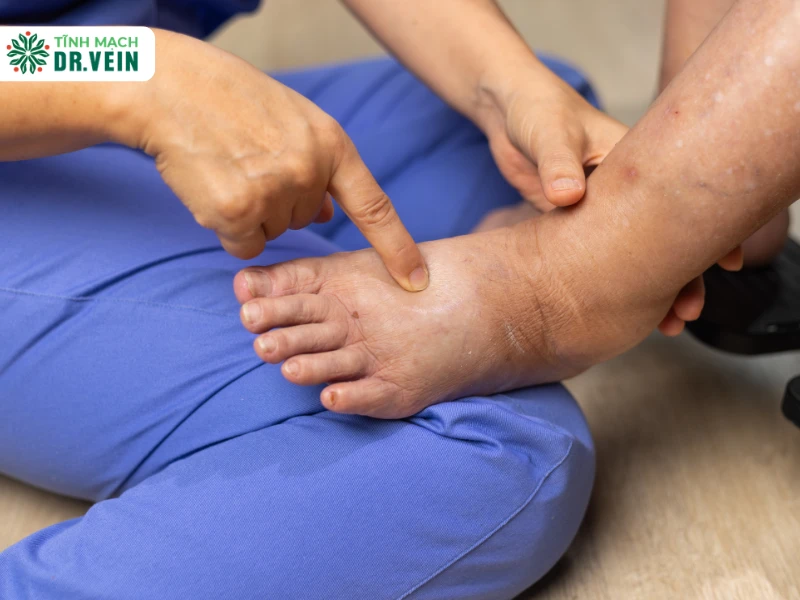
Seek urgent medical attention if you experience:
- Sudden swelling of the calf or thigh.
- Significant leg pain accompanied by sudden swelling.
- Chest pain.
- Unexplained shortness of breath.
Sudden leg swelling and pain may indicate deep vein thrombosis, while chest pain or unexplained breathlessness may be signs of pulmonary embolism. These symptoms require urgent medical assessment.
How Effective Is Endovenous Laser Ablation?
EVLA has a high rate of successful vein closure. A 2025 systematic review published in BMC Surgery reported a pooled occlusion rate of 94.9%. This indicates that most treated veins remain successfully closed, although reopening and the development of new varicose veins can occur over time.
A 2023 systematic review and meta analysis published in Annals of Medicine and Surgery compared EVLA with conventional vein stripping surgery in 1,936 patients across 10 randomised trials. The review found comparable clinical outcomes and recurrence rates at one, two and five years. EVLA was associated with fewer cases of bruising, haematoma, altered skin sensation, infection and phlebitis.
Can Varicose Veins Return After EVLA?
Although EVLA closes the affected vein, it does not remove every factor associated with venous disease. Varicose veins may appear again if the treated vein reopens, another superficial vein develops reflux or untreated branches become more prominent. The 2025 systematic review reported five year recurrence estimates of 38.6% after EVLA and 34.6% after conventional surgery. These figures varied between studies according to follow up periods and the definitions used to identify recurrence.
A visible vein that appears after treatment does not necessarily mean the original procedure has failed. It may involve a different vein or a new source of reflux. Doppler ultrasound helps identify the cause and determine if further treatment is appropriate. Patients who have previously undergone vein treatment should bring earlier medical records and ultrasound reports to their consultation at Dr. Vein when available. Dr. Cao can compare previous treatment findings with the current ultrasound assessment before advising on further management.
What Are the Possible Risks of EVLA?
EVLA is generally well tolerated, but complications can occur. The risks depend on the patient’s condition, the location of the treated vein and the technique used.
1. Bruising and inflammation
Bruising, tenderness and inflammation around the treated vein are among the more common reactions. These symptoms generally improve during recovery.
2. Blood clots
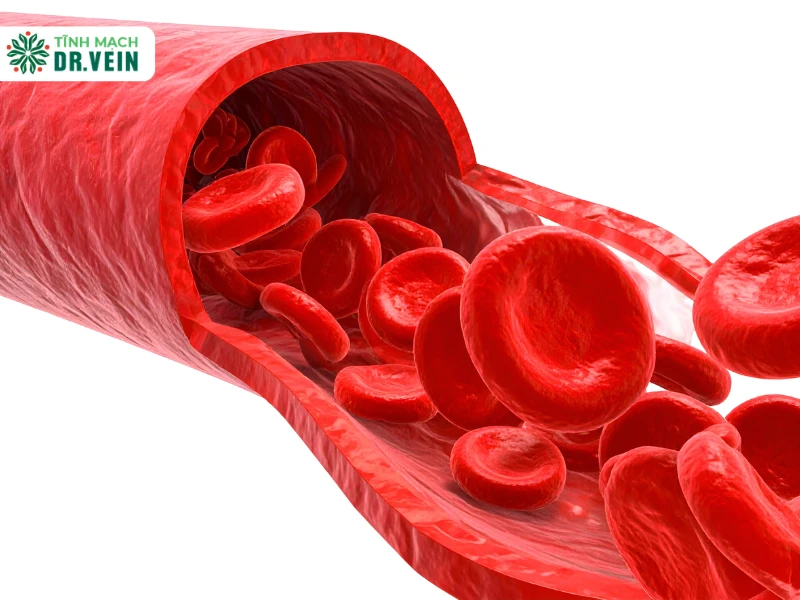
Heat treatment can sometimes lead to a clot near the point where the treated superficial vein joins the deep venous system. This is known as endothermal heat induced thrombosis (EHIT). Most cases are detected by ultrasound and do not cause noticeable symptoms. Management depends on the extent of the clot and may involve monitoring or blood thinning medication.
A systematic review of more than 31,000 patients cited in the clinical practice guideline reported rates of 2.9% for EHIT, 0.26% for deep vein thrombosis and 0.03% for pulmonary embolism.
3. Nerve irritation
Sensory nerves run close to some superficial veins, particularly in the lower leg. Heat exposure may occasionally affect these nerves, leading to temporary numbness or tingling.
The risk can be reduced through careful ultrasound assessment and appropriate selection of the treatment method. For veins in areas where sensory nerves are particularly close, a nonthermal technique may be more suitable.
4. Failure of vein closure or reopening
In a small proportion of cases, the treated vein may not close completely or may reopen over time. Further assessment with Doppler ultrasound helps determine if additional treatment is needed. Before recommending EVLA, Dr. Le Kim Cao assesses the expected benefits and potential risks based on the patient’s venous anatomy and medical history.
When Is EVLA Not the Most Suitable Treatment?
Although EVLA is widely used to treat reflux in the main superficial veins, it may not be appropriate for every patient. The location, shape and size of the affected vein, as well as the patient’s medical history, can influence the choice of treatment.
Several situations may lead the doctor to consider another technique:
- Spider veins and small reticular veins: These vessels usually do not require a laser fibre to be inserted inside the vein. Sclerotherapy or surface laser treatment may be more appropriate, depending on their size and appearance.
- Highly twisted veins: Multiple sharp bends can make it difficult to pass the laser catheter through the affected segment. The doctor may consider another technique when the catheter cannot be advanced safely.
- Reflux in the lower calf: Some superficial veins in this area run close to sensory nerves. Applying heat may increase the risk of nerve irritation. The 2023 clinical practice guideline from the Society for Vascular Surgery recommends considering nonthermal methods for refluxing distal calf veins when appropriate.
- Varicose veins during pregnancy: Procedures and surgery for varicose veins are generally not recommended during pregnancy. Since varicose veins may improve after delivery, treatment is usually reassessed afterwards.
When a nonthermal option is more appropriate, ultrasound guided foam sclerotherapy (UGFS) may be considered. The choice depends on the affected vein and the findings on Doppler ultrasound. More information about its treatment outcomes is available in UGFS success rates.
At Dr. Vein, Dr. Cao evaluates each patient’s venous anatomy before selecting a treatment method. This assessment helps ensure that the recommended technique is appropriate for the location and characteristics of the affected vein.
Planning EVLA at Dr. Vein as an Overseas Patient
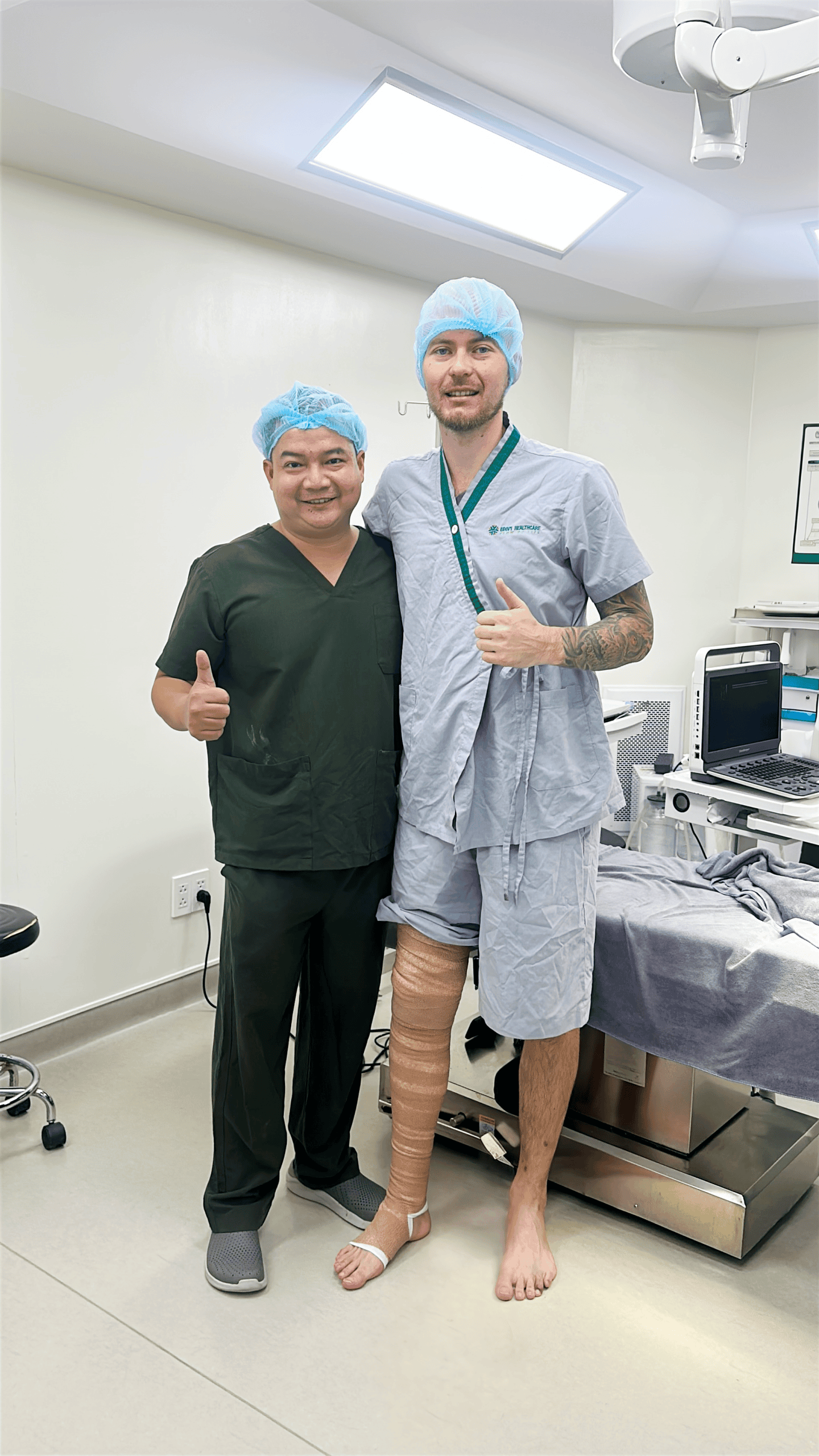
Patients travelling to Vietnam for varicose vein treatment need to consider both the procedure and the time required for follow up. A typical treatment plan may include:
Initial consultation and ultrasound: The doctor reviews the patient’s symptoms, medical history and venous anatomy.
- Treatment planning: The doctor explains the recommended method, expected recovery and any additional treatment needed for visible branches.
- EVLA procedure: The affected vein is treated according to the agreed plan.
- Follow up assessment: The doctor reviews recovery and arranges ultrasound when clinically indicated.
- Travel planning: The patient receives advice on returning home, including precautions related to prolonged sitting or long haul flights.
What Should Overseas Patients Prepare Before Travelling?
Patients who have previously received treatment for varicose veins should bring relevant medical records, including operation notes and earlier Doppler ultrasound reports.
These documents help the doctor understand which veins have been treated and identify changes since the previous procedure. A new ultrasound assessment is still necessary because the condition of the veins may have changed over time.
Patients should also tell the clinic about their planned departure date and flight duration during the first consultation. Long periods of sitting may increase the risk of blood clots after a procedure, so the timing of air travel should be discussed with the treating doctor.
The appropriate waiting period depends on the treatment performed, the patient’s risk factors and the follow up findings. Patients should not assume that the same travel schedule is suitable for everyone.
Dr. Vein can discuss the consultation, treatment and follow up arrangements with overseas patients before they travel. Further information is available in our complete guide to varicose vein treatment in Vietnam.
Frequently Asked Questions
Is EVLA the Same as Laser Treatment for Spider Veins?
No. EVLA and surface laser treatment are different procedures. Surface laser treatment directs energy through the skin to target small superficial vessels, such as spider veins. EVLA uses a laser fibre inserted inside a larger superficial vein to close the section responsible for blood reflux.
The two methods treat different types of veins. Some patients may need both treatments, depending on their ultrasound findings and the appearance of the affected vessels.
Do I Need to Stop Blood Thinners Before EVLA?
Not necessarily. Some medications that affect blood clotting may need to be adjusted before a procedure, but this depends on why the medication was prescribed and the patient’s medical history.
Patients should provide the doctor with a complete list of their current medications, including prescribed anticoagulants, aspirin and over the counter pain relief. Do not stop or change prescribed blood thinning medication without medical advice.
What Happens to the Vein After It Is Closed?
The treated vein no longer carries blood once it has been successfully sealed. Over the following months, it gradually shrinks and becomes scar tissue.
Blood continues to return from the leg through the deep venous system and other healthy veins. The body does not depend on the treated superficial vein to maintain normal circulation.
Will EVLA Leave a Scar?
EVLA is performed through a small needle puncture, so the entry mark is usually very small and does not normally require stitches.
If the doctor also performs phlebectomy to remove visible varicose branches, several additional small puncture marks may be present. These usually heal with minimal scarring.
References
- NHS. Varicose veins: treatment. Reviewed July 2024. nhs.uk
- Society for Vascular Surgery, American Venous Forum and American Vein and Lymphatic Society. Clinical practice guidelines for the management of varicose veins of the lower extremities, Part II. Journal of Vascular Surgery: Venous and Lymphatic Disorders, 2024. PMC
- American Venous Forum and Society for Vascular Surgery. Management of endothermal heat-induced thrombosis: clinical practice guideline (2021). PMC
- Endovenous laser ablation versus conventional surgery (ligation and stripping) for primary great saphenous varicose vein: a systematic review and meta-analysis. Annals of Medicine and Surgery, 2023. PMC
- Clinical effectiveness and patient-reported outcomes of endovenous ablation and surgical stripping in varicose vein management: a systematic review. BMC Surgery, 2025. PMC
- MedlinePlus, US National Library of Medicine. Varicose vein: noninvasive treatment. medlineplus.gov
- RadiologyInfo.org (American College of Radiology and Radiological Society of North America). Varicose vein treatment: endovenous ablation of varicose veins. radiologyinfo.org
This article was last reviewed in 11/2026. It is for general information and does not replace an in-person consultation with a qualified vein specialist.