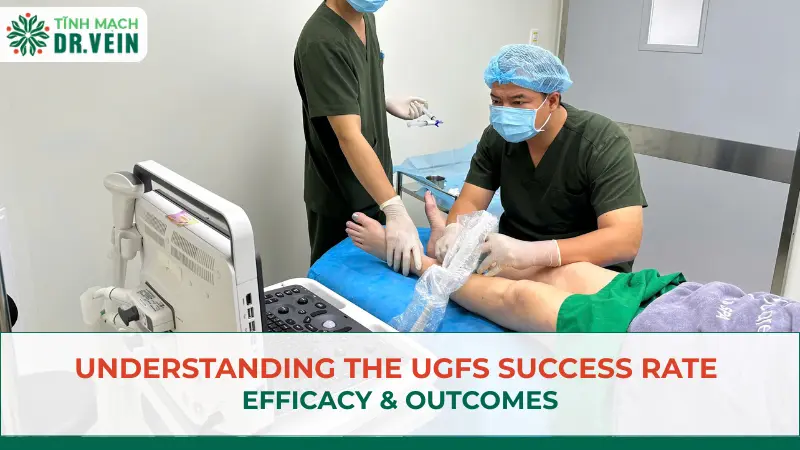
For active individuals and fitness enthusiasts, the prospect of taking time off for a medical procedure can be daunting. One of the most frequent questions raised by international patients traveling to Ho Chi Minh City for vascular care is: When can I safely exercise after vein treatment?
Balancing the need for physical activity with the physiological requirements of healing is crucial. Modern phlebology has evolved significantly, shifting away from prolonged bed rest toward dynamic recovery. This comprehensive guide outlines the safe progression of physical activity post-procedure, helping medical tourists plan their itinerary and fitness routines while receiving specialized care at facilities like Dr. Vein.
The Physiology of Healing: Why Modified Movement Matters
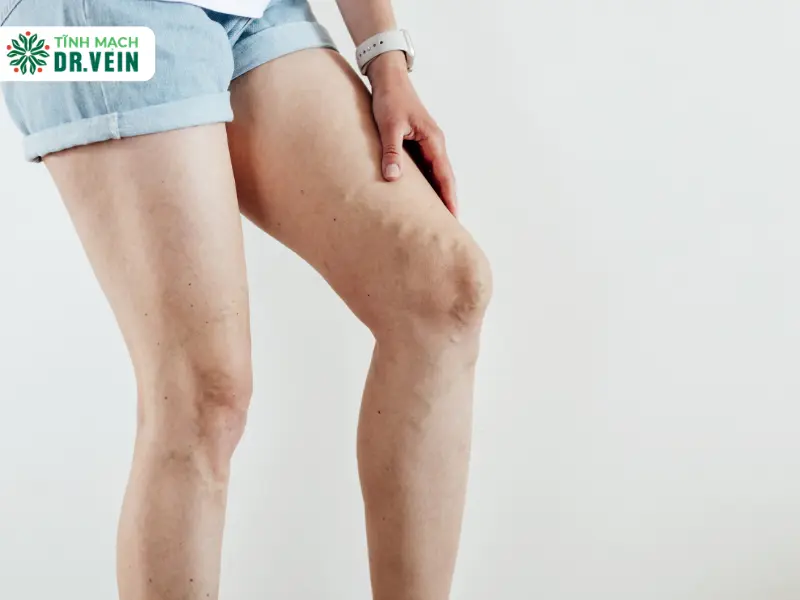
To understand the guidelines for exercise after vein treatment, it is essential to understand what occurs beneath the skin. Minimally invasive interventions are designed to securely close diseased vessels, prompting the circulatory system to naturally reroute blood flow through healthier pathways.
During the initial healing phase, the treated vessels are in a delicate state of transition. Excessive abdominal pressure—often generated by heavy weightlifting or high-impact aerobics—can force blood downward into the legs, potentially disrupting the closure of the treated veins. Conversely, absolute inactivity is detrimental. Gentle, sustained movement activates the calf muscle pump, which acts as a secondary heart, propelling blood upward and significantly reducing the risk of Deep Vein Thrombosis (DVT).
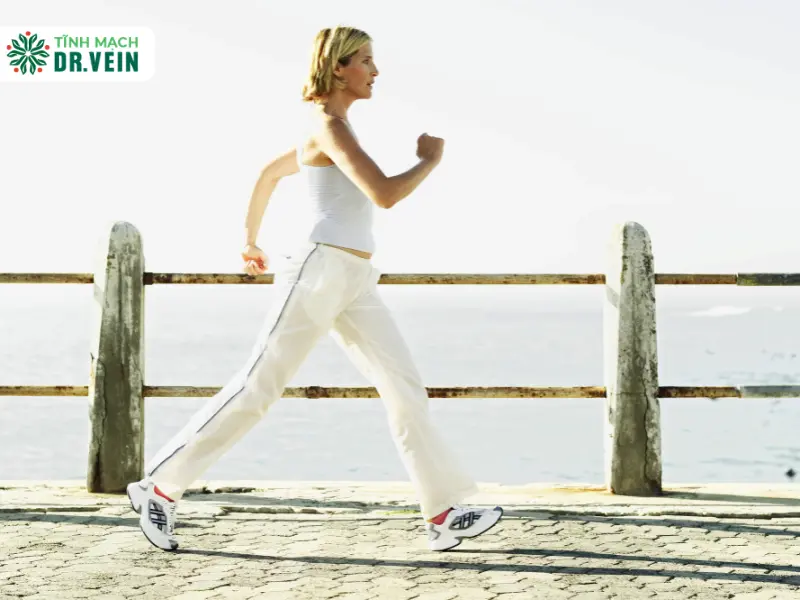
Therefore, the goal is “active recovery”: engaging the muscles to promote circulation without stressing the healing venous network.
Timeline for Resuming Exercise After Vein Treatment
Navigating physical activity requires a phased approach. While individual recovery varies, the following timeline serves as a standard benchmark for patients recovering in HCM.
Phase 1: The “Active Rest” Period (Days 1 to 3)
Immediately following the intervention, high-impact activities are strictly limited. However, this is not an invitation to stay in bed.
Encouraged: Gentle, frequent walking is mandatory. Patients are often advised to walk for 15-20 minutes every few hours. For international visitors in HCM, this is the perfect time for leisurely, shaded strolls through the city’s serene botanical gardens or flat, paved walking paths.
Phase 2: Reintroducing Mild Exertion (Days 4 to 14)
As the body adapts to the new circulatory routing, patients can begin to slowly increase their activity levels.
Encouraged: Low-impact exercises such as stationary cycling, light elliptical machine use, and restorative yoga (avoiding extreme stretches or poses that put intense pressure on the legs).
Prohibited: Squats, lunges, deadlifts, and long-distance running.
Phase 3: Return to Normalcy (Weeks 2 to 4)
For most individuals, a full return to pre-procedure fitness routines is permissible after two to four weeks, pending a medical clearance examination utilizing the Color Doppler ultrasound to confirm successful vessel closure.
Understanding Different Modalities and Their Impact on Fitness
The specific timeline for resuming exercise after vein treatment can be influenced by the type of medical intervention discussed or received.
- Ultrasound-Guided Foam Sclerotherapy (UGFS): By relying on the precise mapping of the Color Doppler ultrasound, specialists inject a therapeutic foam to seal complex venous networks. Because UGFS involves no thermal damage to surrounding tissues and requires no incisions, patients typically experience minimal discomfort. The return to light exercise is exceptionally swift, making it a highly favored option for medical tourists on a tight schedule.
- Endovenous Laser Ablation (EVLA): EVLA is a well-known method that uses thermal energy (laser heat) to seal larger, straight veins. Generally speaking, for patients who undergo thermal procedures like EVLA, the localized tissue inflammation can sometimes necessitate a slightly more conservative approach to high-impact exercise in the first two weeks.
Fitness in a Tropical Climate: Tips for International Patients
Recovering in Ho Chi Minh City offers a vibrant cultural experience, but the tropical climate requires specific modifications to any post-procedure fitness plan.
- Timing is Everything: To avoid the midday heat, schedule light walking or permitted exercises during the early morning or late evening.
- Managing the Compression Socks: Medical-grade compression stockings are non-negotiable during the initial recovery phase, especially when active. Wearing these in a humid climate can be an adjustment. It is highly recommended to exercise in air-conditioned environments during this period to maintain comfort and prevent excessive sweating, which can irritate the treated areas.
- Hydration: Proper hydration thins the blood naturally, supporting healthy circulation. The tropical heat increases fluid loss, making rigorous water intake a critical component of the recovery protocol.
Cross-Cultural Medical Support: The Dr. Vein Standard
Traveling abroad for medical care shouldn’t mean compromising on communication, especially when discussing nuanced lifestyle topics like exercise after vein treatment.
Dr. Vein bridges the cultural and linguistic divide through a robust system of dedicated healthcare advocacy. Rather than relying on basic translation, international visitors are paired with bilingual medical liaisons. These professionals ensure that every question regarding physical activity, dietary adjustments, and flight safety is comprehensively answered. This transparent, continuous dialogue empowers patients to manage their active recovery confidently, free from the stress of miscommunication.
Frequently Asked Questions (FAQs)
1. When can I safely go swimming after my procedure?
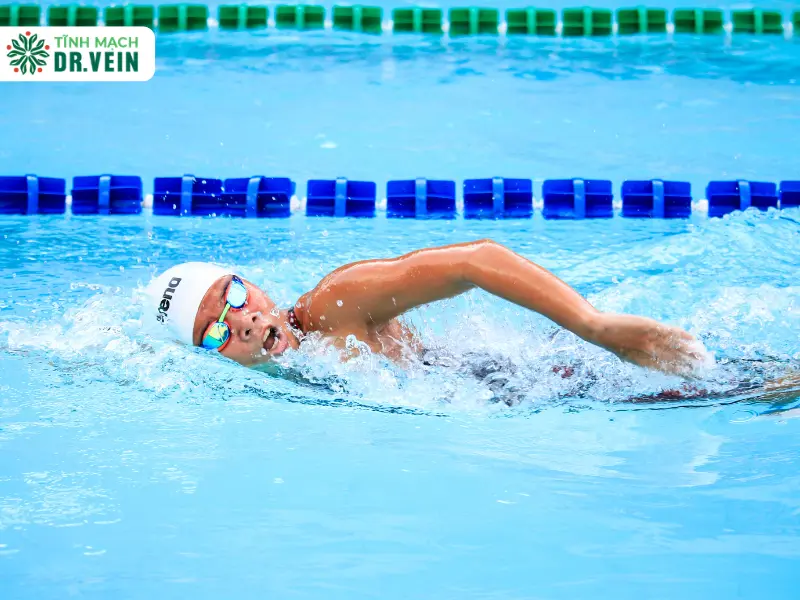
Swimming is an excellent low-impact cardiovascular workout, but the timeline for returning to the water depends on the procedure you received. For patients undergoing UGFSthe downtime is incredibly short; you typically only need to avoid swimming for about 1 day. However, for patients who receive thermal treatments like EVLA, the healing process requires waiting a few days before it is safe to submerge the legs in pools or oceans.
2. Can I do upper body workouts while recovering?
Yes. Seated, light upper-body weightlifting is generally permissible within the first week, provided it does not cause the individual to bear down or strain the core muscles (the Valsalva maneuver), which increases venous pressure in the lower extremities.
3. Will walking too much hinder the healing process?
Consistent, moderate walking is actually the most beneficial activity for recovery. It activates the calf muscle pump and encourages the redirection of blood flow. However, patients should listen to physiological cues; if the legs feel profoundly heavy or achy, it is time to elevate them and rest.
4. How does the Color Doppler ultrasound assist in my return to exercise?
The Color Doppler ultrasound is not just for diagnosis. During follow-up appointments, this technology provides visual confirmation that the treated vessels have remained successfully closed. Once this is clinically verified, patients are given the green light to resume high-intensity workouts safely.
Conclusion
Resuming exercise after vein treatment is not about rushing back to the gym; it is about strategic, progressive movement that supports the body’s natural healing capabilities. For international patients, combining this structured recovery with the exceptional, hyper-specialized care at Dr. Vein in HCMC transforms a medical necessity into a restorative health retreat. By adhering to clinical guidelines, and leaning on expert bilingual support, patients can swiftly and safely return to the active lifestyles they love.
Contact Information
- Address: No. 2, My Toan 2 Residential Area, Tan Phong, District 7, Ho Chi Minh City
- Hotline: 0932.19.28.82
- Website: drvein.vn/en
- Business Hours: Monday – Saturday, 8:00 AM – 5:00 PM