
Spider veins (medically known as telangiectasia) are a common condition, particularly among women. The appearance of tiny blue, purple, or red blood vessels on the skin is not only an aesthetic concern that makes many hesitant to wear short clothing, but it can sometimes be an early warning sign of a venous system under excessive pressure (venous hypertension).
At Dr. Vein, our specialists prioritize thorough examination to determine whether this is solely a dermatological/cosmetic issue or if it is associated with underlying superficial venous insufficiency.
What are Spider Veins?
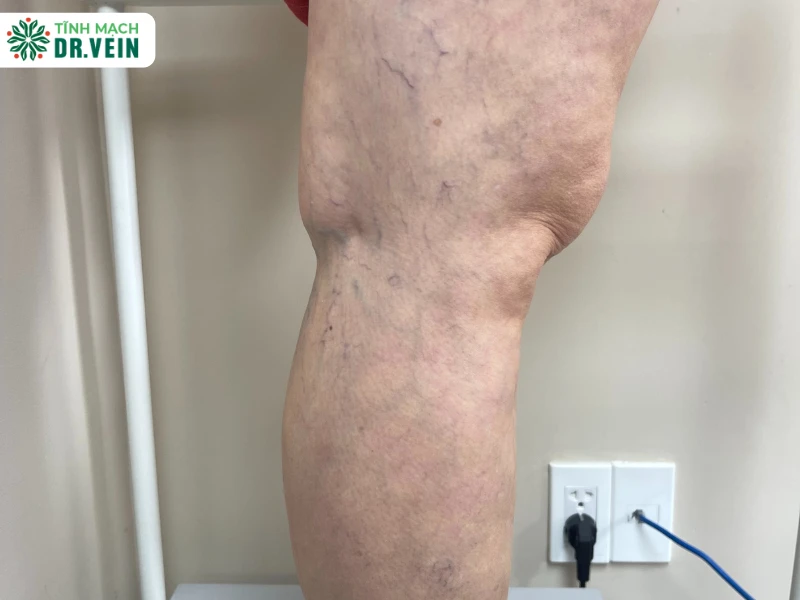
Medically, spider veins are the dilation of small blood vessels located just beneath the surface of the skin. They typically have a very small diameter (less than 1mm), are as thin as a thread, and radiate outwards like a spider web or tree branches.
Unlike varicose veins (which are often bulging, tortuous, and larger than 3mm), spider veins do not protrude above the skin surface but lie flat, forming patches of blue, purple, or red discoloration. The most common locations are the thighs, calves, ankles, and sometimes the face.
Causes of Spider Veins
The formation of spider veins is influenced by various factors:
- Genetics: If there is a family history of venous disease, the risk for subsequent generations is very high.
- Hormonal Changes: Women during puberty, pregnancy, or menopause are more susceptible to spider veins due to fluctuations in Estrogen and Progesterone, which can weaken vessel walls.
- Lifestyle and Occupation: Prolonged standing or sitting increases hydrostatic pressure in the venous system of the legs.
- Aging: The natural aging process causes venous valves to function less effectively and vessel walls to lose elasticity.
- UV Exposure: Excessive exposure to sunlight can damage subcutaneous collagen, making blood vessels more visible (commonly seen on the face).
Are Spider Veins Dangerous?
The majority of spider vein cases are benign and primarily affect aesthetics. However, they should not be subjectively ignored.
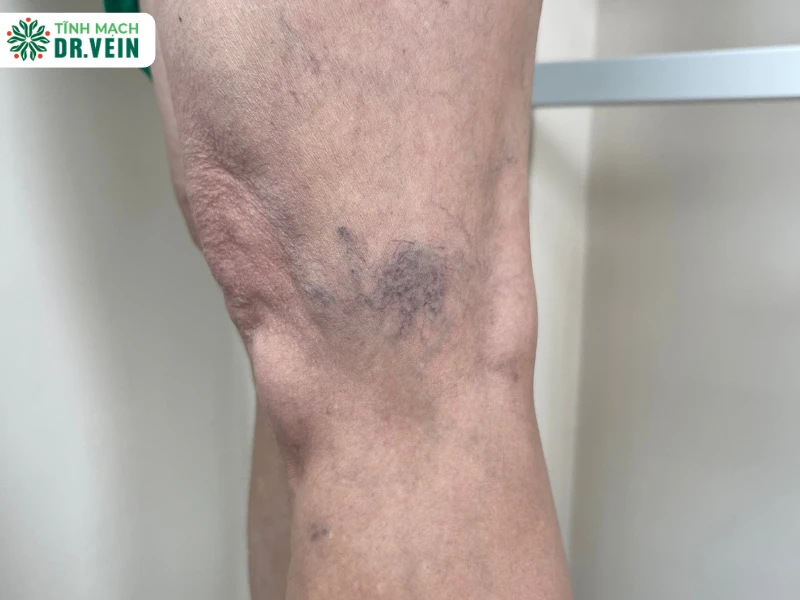
In many cases examined at Dr. Vein, spider veins are merely the “tip of the iceberg.” They can be a sign that underlying venous pressure is increasing. Patients may experience:
- A burning sensation in the skin area with dilated veins.
- Leg fatigue and heaviness in the afternoon/evening.
- Occasional prickling or stinging sensations.
Therefore, performing a Doppler Ultrasound of the blood vessels is a necessary step to check for venous reflux in larger veins before proceeding with cosmetic treatment.
When Should You See a Doctor?
Patients should seek medical advice when spider veins appear in increasing numbers, spread rapidly, or are accompanied by a sensation of heavy legs, mild pain, or a history of venous insufficiency. Early examination allows for better disease management and prevents progression to more severe forms of venous insufficiency.
Spider veins are often mild with few symptoms, but they should not be overlooked. This can be an early sign that the venous system is encountering problems. Proper monitoring, examination, and treatment help protect leg health and improve long-term quality of life.
If you are concerned about spider veins, proactively visit Dr. Vein for accurate consultation and assessment by a specialist.
Contact Information
- Address: No. 2, My Toan 2 Residential Area, Tan Phong, District 7, Ho Chi Minh City
- Hotline: 0932.19.28.82
- Website: drvein.vn/en
- Business Hours: Monday – Saturday, 8:00 AM – 5:00 PM