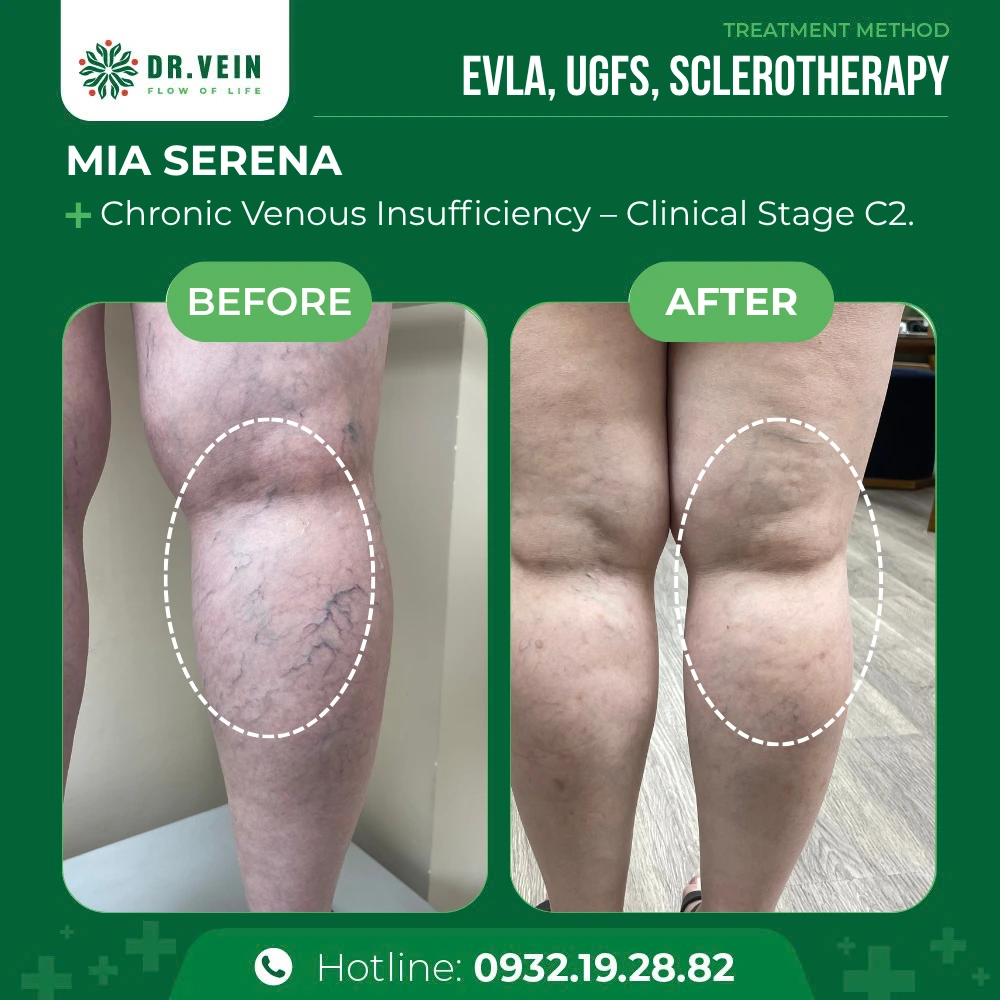
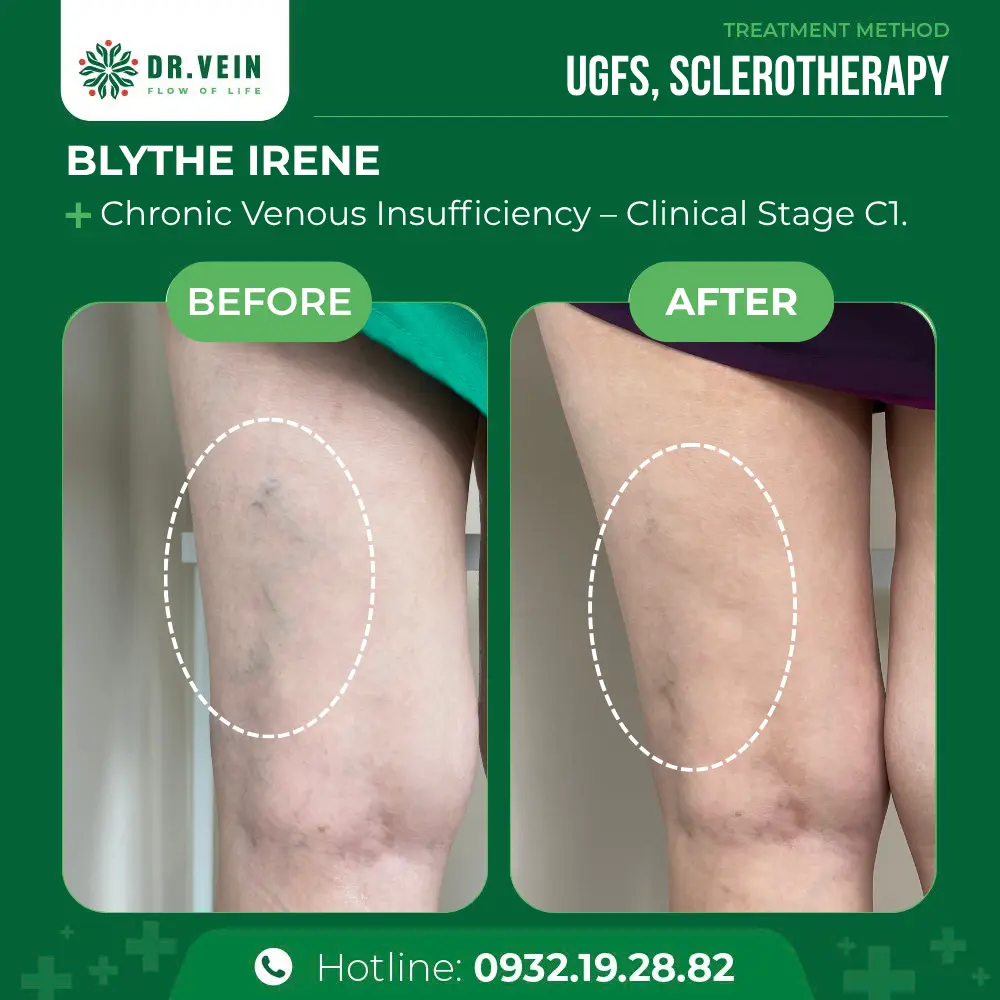
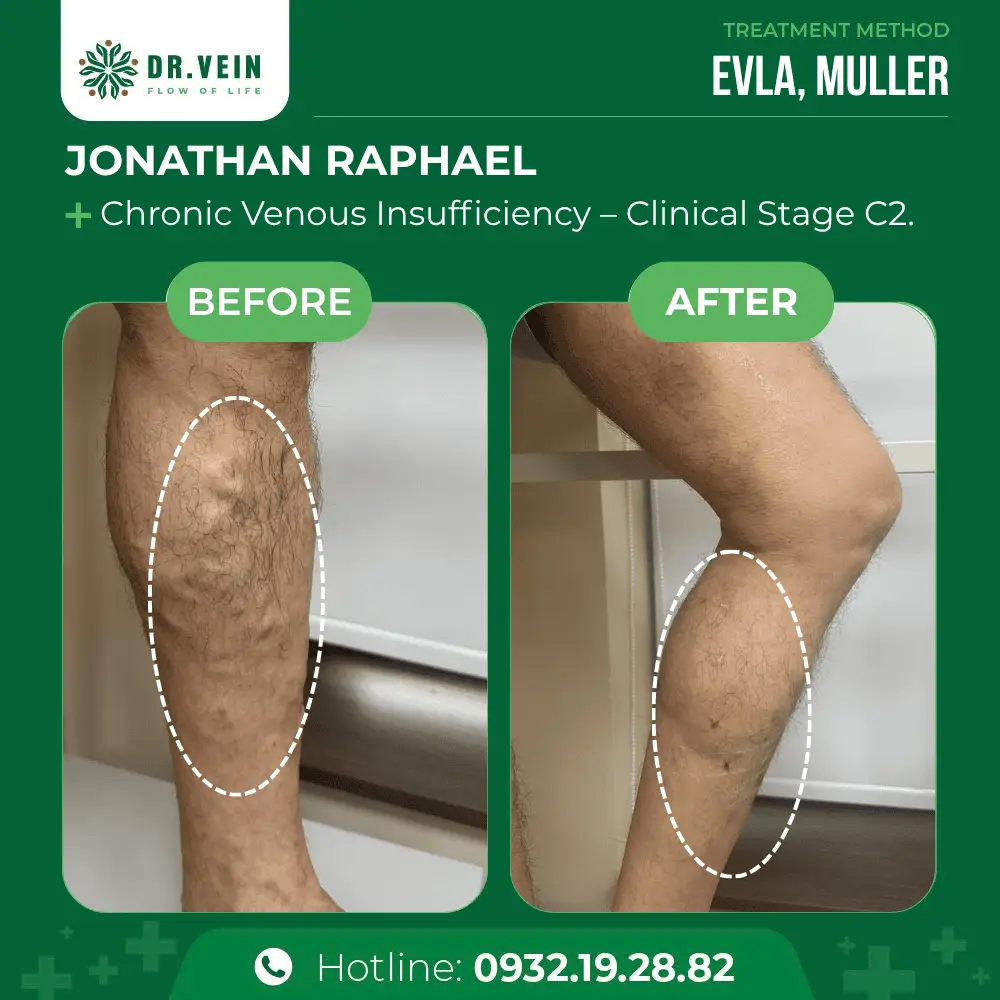
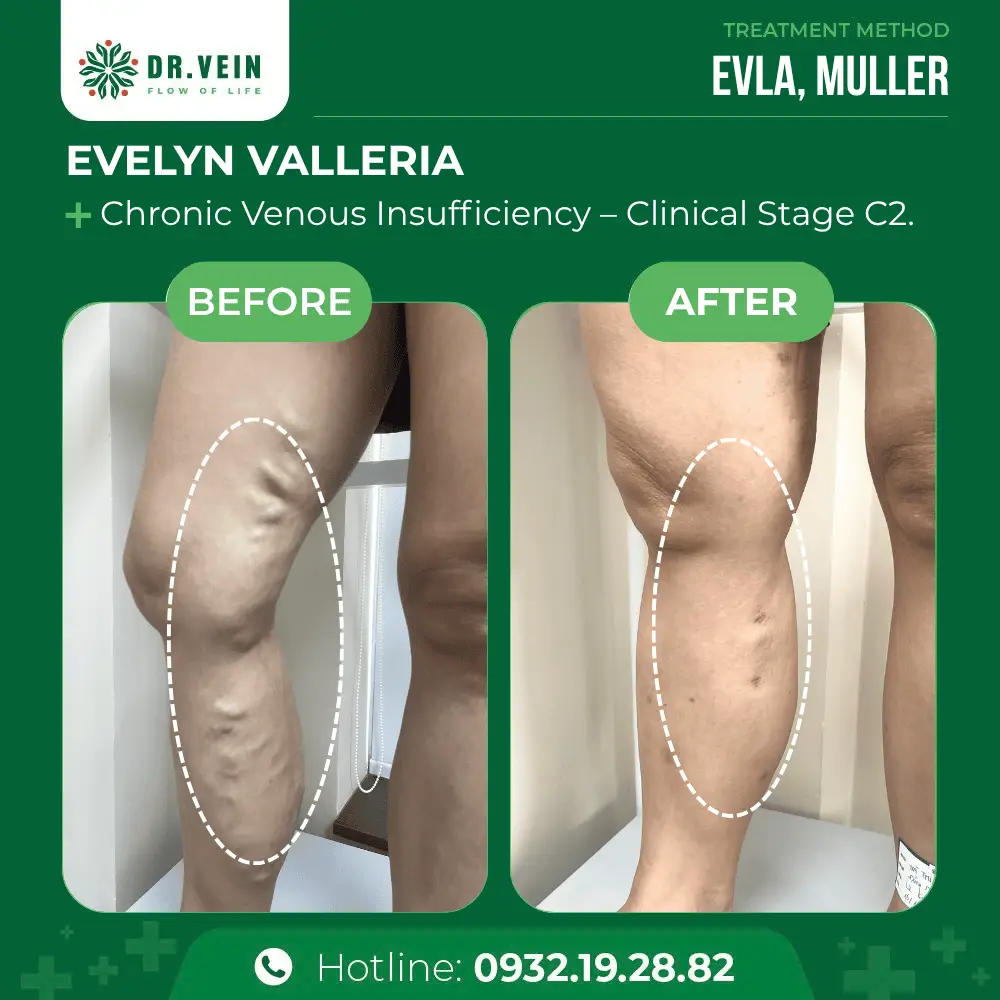
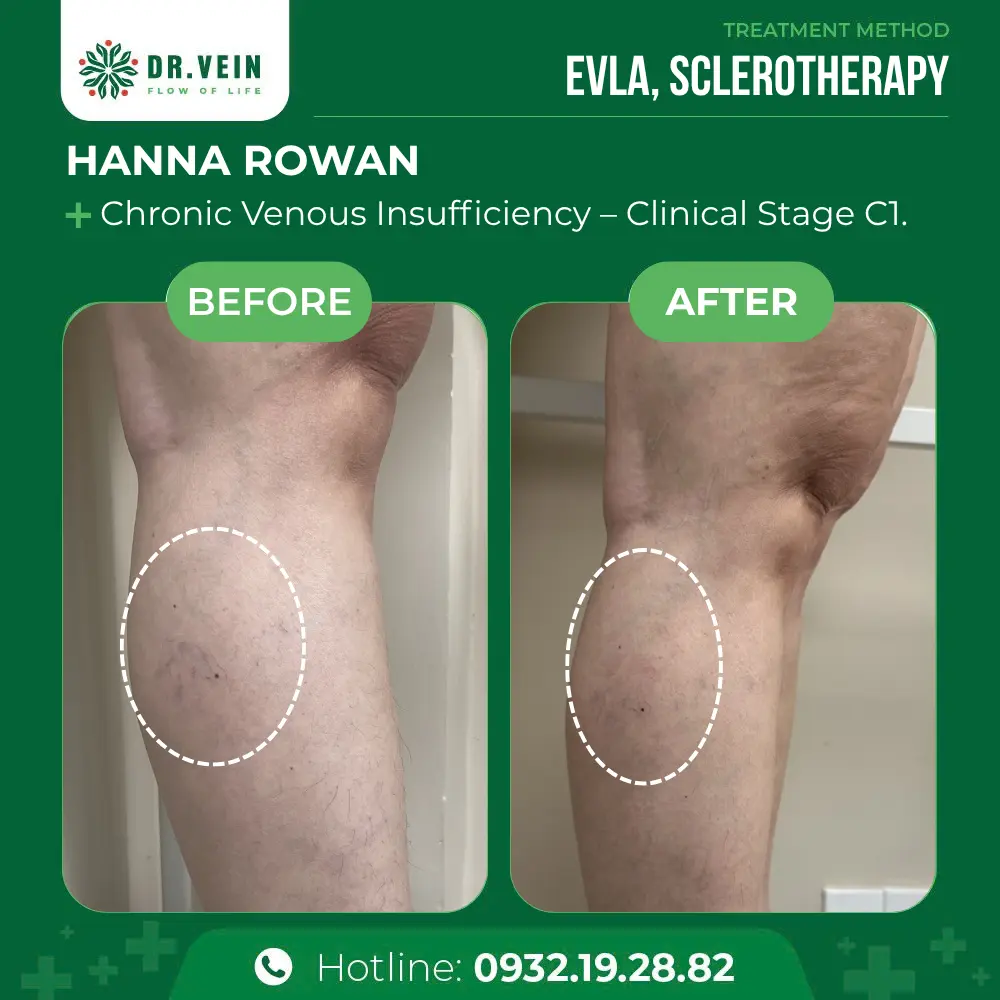
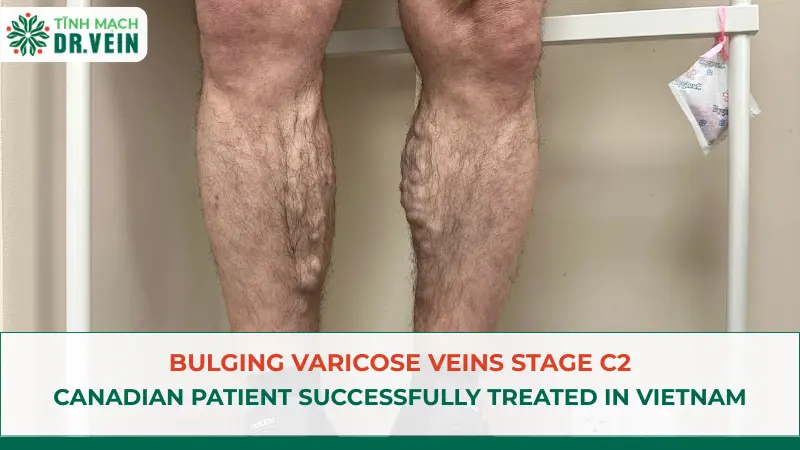
Sensations of heaviness, fatigue, leg cramps, or visible blue veins in the legs are common conditions, particularly among individuals who stand for extended periods, pregnant women, and older adults. These may be early signs of chronic venous insufficiency (CVI) of the lower extremities—a chronic vascular disease that, if not detected and treated promptly, can lead to edema, phlebitis, skin ulceration, or deep vein thrombosis (DVT).
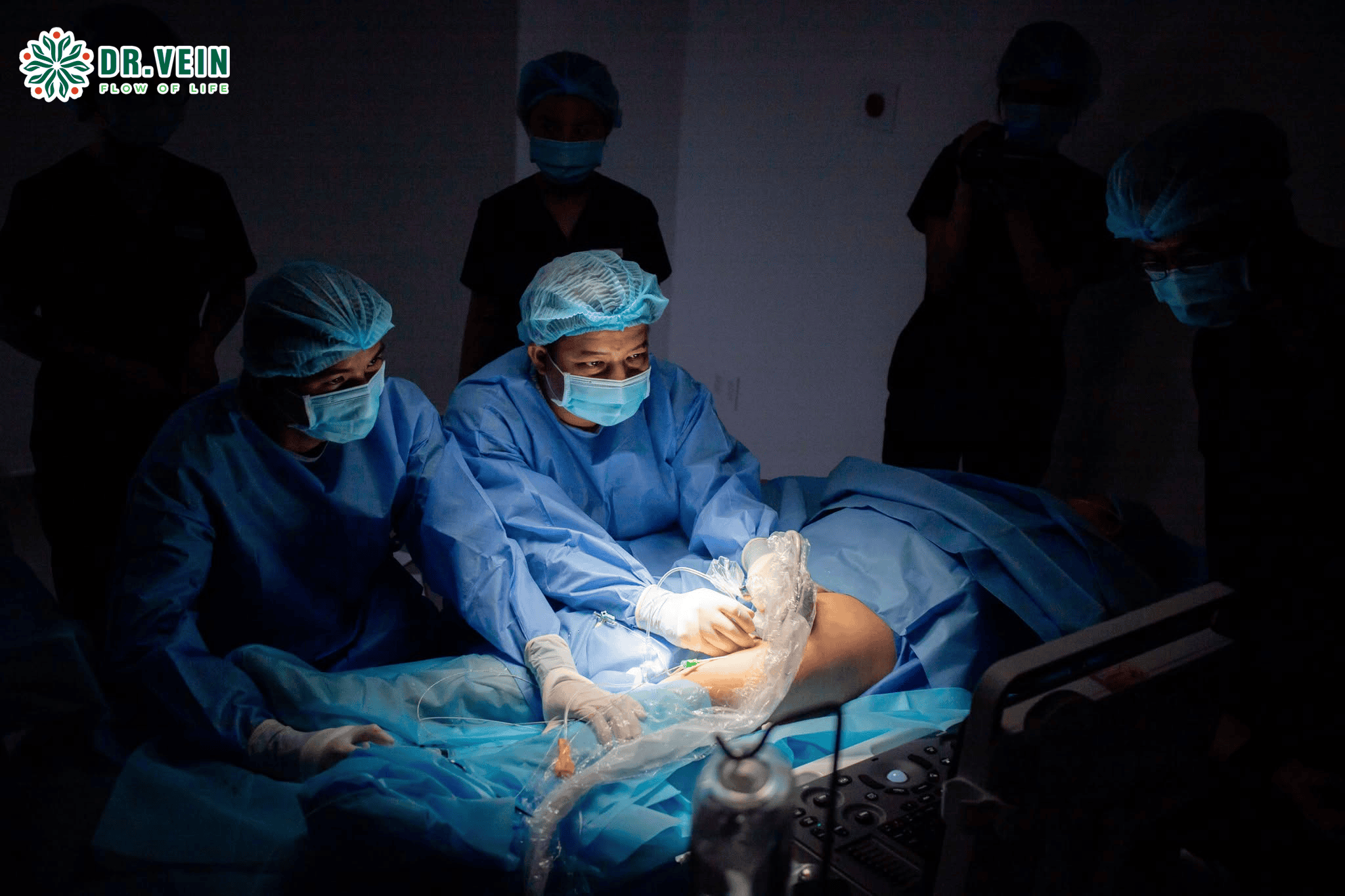
At Dr. Vein, a specialized clinic dedicated to treating venous insufficiency, patients receive accurate diagnosis through modern Doppler ultrasound and treatment using minimally invasive procedures such as EVLA, UGFS, or sclerotherapy, helping eliminate diseased veins without surgery, leaving no scars, and enabling same-day recovery.
Hotline: +84932 192 882
What are varicose veins of the extremities?

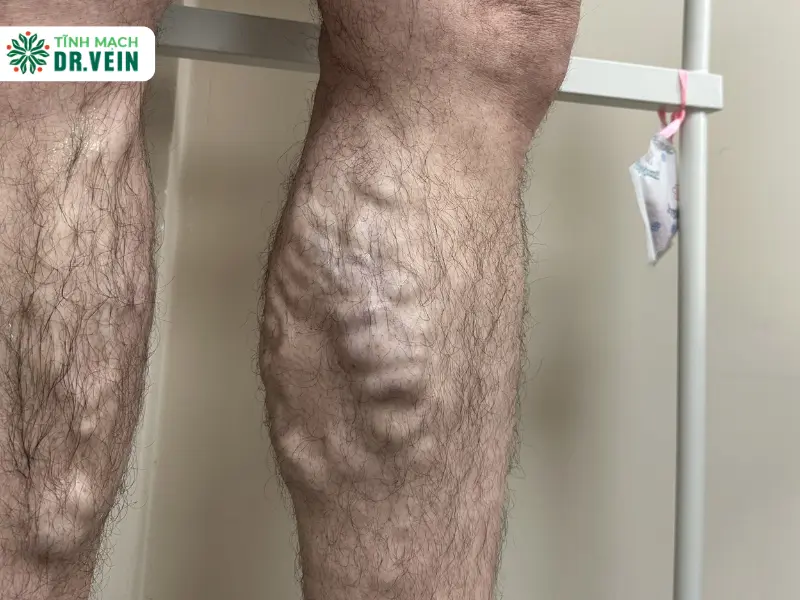
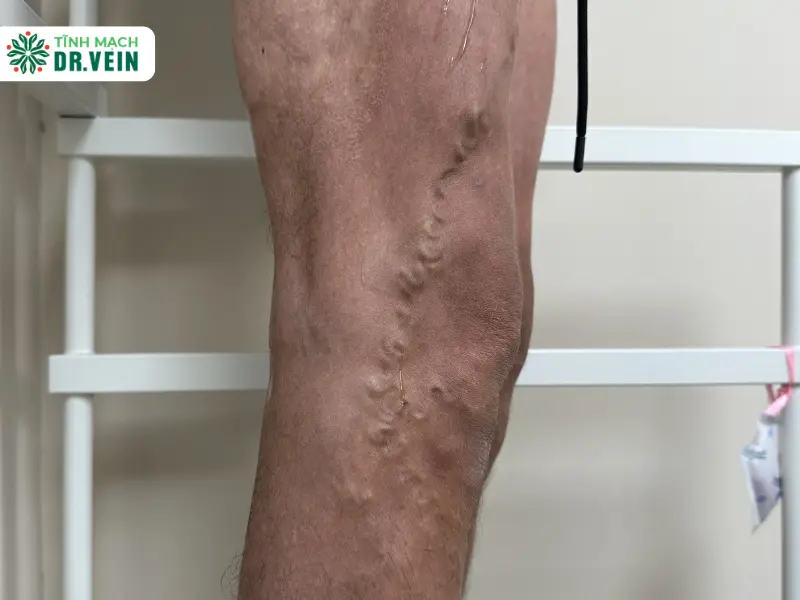
Lower extremity varicose vein (also known as leg vein insufficiency) is a condition where the valves within the venous system become weakened or damaged, preventing blood from flowing back to the heart in the correct direction. Blood pools in the lower extremities, causing veins to bulge, protrude in a tortuous pattern beneath the skin, and produce sensations of heaviness, fatigue, tingling, or edema.
The disease progresses slowly and silently, but prolonged duration can lead to phlebitis, thrombosis, or non-healing leg ulcers, significantly impacting quality of life.
Causes and Risk Factors
Risk Factor Category | Typical Examples |
Hereditary – Age | Family history of venous disease, older adults, naturally weakened vessel walls |
Occupational Characteristics | Prolonged standing (teachers, retail workers, physicians), prolonged sitting (office workers) |
Hormonal Changes | Pregnancy, postpartum period, perimenopause, menopause |
Lifestyle – Physical Condition | Sedentary lifestyle, overweight/obesity, smoking, tight clothing, high heels |
When venous valves become incompetent, blood flows backward (reflux), causing circulatory stasis, increasing venous wall pressure and causing progressive venous dilation over time.
Early Warning Signs
- Patients with venous insufficiency commonly experience:
- Sensation of leg heaviness and fatigue, especially after prolonged standing or sitting
- Nocturnal leg cramps, tingling sensations, or burning along the calf
- Mild edema around the ankle, which decreases when legs are elevated
- Visible blue, tortuous veins beneath the skin
- Darkened, thickened skin on the lower leg or appearance of slow-healing ulcers
CEAP Classification of Chronic Venous Disease
- C0: No visible signs
- C1: Telangiectasia or reticular veins
- C2: Varicose veins
- C3: Edema
- C4: Skin changes (pigmentation, eczema)
- C5: Healed venous ulcer
- C6: Active venous ulcer
Approximately 70% of patients present at stages C3–C4. If detected early at C1–C2, the disease can be treated definitively without surgery.
Potential Complications
Without treatment, the condition may lead to:
- Superficial thrombophlebitis: Pain, redness, swelling along the affected vessel
- Deep vein thrombosis (DVT): May cause pulmonary embolism, life-threatening condition
- Chronic leg ulceration: Difficult to heal, prone to infection
- Skin pigmentation changes: Darkened, thickened skin, lower limb deformity
- Early treatment helps prevent complications, reduce symptoms, and preserve lower limb circulatory function.
Diagnosis of Chronic Venous Insufficiency
At Dr. Vein, patients undergo comprehensive evaluation including:
1. Specialized Vascular Clinical Examination
Physicians assess symptoms, lifestyle habits, risk factors, and CEAP classification.
2. Venous Doppler Ultrasound
Determines blood flow direction, degree of valve insufficiency, lesion location, and presence of thrombus.
Dr. Vein utilizes state-of-the-art Doppler systems, providing high-resolution imaging and accuracy to support physicians in developing personalized treatment protocols for each case.
Treatment Modalities at Dr. Vein
Modality | Mechanism | Key advantages |
Uses laser energy to seal incompetent veins | Non-surgical, minimal pain, rapid recovery | |
Injects sclerosant foam into diseased veins under ultrasound guidance | Precise targeting, high efficacy | |
Injects sclerosing solution to obliterate small dilated vessels | Quick, aesthetic results, no anesthesia required |
According to Dr. Le Kim Cao—Vascular Surgeon at Dr. Vein—over 80% of patients recover within just one day of treatment, requiring no hospitalization and leaving no scars.
Post-Treatment Care
- Light walking permitted after 24 hours
- Significant symptom reduction within 2-3 days
- Wear medical compression stockings as directed by physician
- Engage in gentle exercise: walking, yoga, cycling
- Avoid prolonged standing or sitting in one position
- Maintain stable body weight, adequate hydration
Prevention of Chronic Venous Insufficiency
- Maintain regular physical activity (walking, swimming, yoga)
- Maintain healthy body weight, avoid obesity
- Avoid prolonged standing or sitting in one position
- Wear medical compression stockings during long working hours
- Stay well-hydrated, limit tobacco and alcohol consumption
Maintaining a healthy lifestyle reduces disease recurrence risk by 35-45% according to ESVS 2022 guidelines.
Why Choose Dr. Vein?
Key Advantages | Patient Benefits |
Leading Vascular Specialists | Direct examination and treatment by physicians with years of experience at Cho Ray Hospital |
Advanced Technology | EVLA, UGFS, 2D Doppler |
Personalized Treatment Plans | Each patient receives customized protocols optimizing treatment effectiveness |
Lifetime Follow-up | Complimentary periodic follow-up examinations and ultrasound |
“Absolute Trust” Philosophy | Transparent, safe, long-term patient partnership |
Physician Recommendation
“Chronic venous insufficiency of the lower extremities is a chronic disease but can be completely controlled and effectively treated if detected early. Patients should not be complacent or attempt self-treatment at home, as the disease can progress severely and cause irreversible complications.”
— Dr. Le Kim Cao, MSc, Vascular Surgeon – Dr. Vein
References
European Society for Vascular Surgery (ESVS). Guidelines on Chronic Venous Disease, 2022
NICE Clinical Guideline CG168: Varicose Veins in the Legs, 2023
PubMed: Efficacy of Endovenous Laser Ablation for Chronic Venous Insufficiency, 2022
Cleveland Clinic: Varicose Veins – Diagnosis & Treatment, 2024
Dr. Vein Internal Clinical Protocol, 2025
Contact Information
Dr. Vein Vascular Clinic
- Address: No. 2, My Toan 2 Residential Area, Tan Phong, District 7, Ho Chi Minh City
- Hotline: 0932.19.28.82
- Website: drvein.vn
- Business Hours: Monday – Saturday, 8:00 AM – 5:00 PM